Best Treatment for Cancer
Making decisions about cancer treatment can be a daunting and complex process, influenced by a myriad of factors that range from the characteristics of the disease itself to the individual preferences and health status of the patient.
From understanding the diagnosis to exploring various treatment options and considering personalized approaches, we will explore the key elements that shape this critical decision-making process.
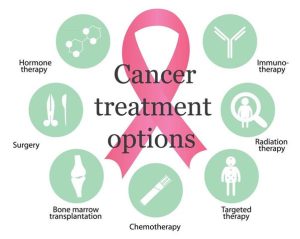
By empowering patients with knowledge and highlighting the role of medical professionals in guiding treatment choices, we aim to provide insights into navigating the path towards optimal cancer care.
How is the Best Treatment for Cancer Decided Upon?
Overview of Cancer Treatment Decision-Making Process
Understanding the Diagnosis
When faced with a cancer diagnosis, understanding the specific type and stage of the disease is crucial in determining the best course of treatment.
Importance of Timely Decision-Making
Making timely decisions about cancer treatment is essential to maximize the chances of successful outcomes.
Delaying treatment can allow the cancer to progress and become more difficult to treat.
Factors Influencing Cancer Treatment Choices
Disease Characteristics and Stage
Factors such as the type of cancer, its stage, and how aggressive it is play a significant role in determining the most effective treatment options.
Patient’s Overall Health and Preferences
A patient’s overall health, medical history, and personal preferences are important considerations in tailoring a treatment plan that is both effective and aligned with their individual needs.
Role of Medical Professionals in Determining Cancer Treatment
Multidisciplinary Team Approach
Medical professionals from different specialties often collaborate in a multidisciplinary team to review all aspects of a patient’s case and recommend the most suitable treatment plan.
Consultations and Second Opinions
Seeking consultations and second opinions from various healthcare providers can provide valuable insights and ensure that the chosen treatment approach is well-informed and comprehensive.
Types of Cancer Treatments Available
Surgery
Surgery involves the physical removal of cancerous tissue and is often used as a primary treatment for localized cancers or to remove tumors before or after other treatments.
Chemotherapy and Targeted Therapy
Chemotherapy uses drugs to kill cancer cells throughout the body, while targeted therapy focuses on specific molecules involved in cancer growth, offering more precise treatment options.
Radiation Therapy
Radiation therapy uses high-energy beams to target and destroy cancer cells, either alone or in combination with other treatments, offering a localized approach to treatment.
In navigating the complexities of cancer treatment decisions, understanding the various factors at play and working closely with medical professionals can help individuals make informed choices that prioritize both efficacy and personal well-being.
Importance of Personalized Medicine in Cancer Treatment
Personalized medicine in cancer treatment is like having a tailored suit made just for you—it’s all about customizing the approach to fit your unique needs.
One key player in this game is genetic testing, where your genes spill the tea on which treatments might work best for you.
Biomarker analysis is another detective tool, helping doctors Sherlock their way to the most effective treatments by looking for specific biological clues.
Considerations for Integrative and Complementary Therapies
Think of integrative and complementary therapies as the sidekicks to traditional treatments like chemotherapy and radiation.
It’s crucial to weigh the benefits and potential pitfalls of integrating alternative therapies into your treatment plan.
Also, don’t forget the importance of supportive care—managing symptoms and side effects can be game-changing in keeping you feeling your best during treatment.
Patient Empowerment and Shared Decision-Making in Cancer Care
In the world of cancer care, patient empowerment and shared decision-making are the dynamic duo fighting for your right to be an active participant in your treatment journey.
Communicating openly with your healthcare team is key—it’s like being the captain of a ship navigating through rough seas together.
Remember, informed consent is your superpower, equipping you with the knowledge to make decisions that feel right for you.
Advocating for yourself is not just an option, it’s a crucial part of the hero’s journey when facing cancer.
In conclusion, the journey to finding the best treatment for cancer is a collaborative effort between patients, healthcare providers, and the advancements in medical science.
By considering the diverse factors that influence treatment decisions and embracing personalized approaches, individuals can navigate this challenging path with confidence and clarity.
Empowered with knowledge and supported by a multidisciplinary team, patients can embark on their treatment journey with hope and resilience, knowing that they are at the forefront of shaping their own path towards healing and recovery.


