Reduce Your Risk of Developing Cancer
Cancer is a complex disease that affects millions of people worldwide, causing immense physical, emotional, and financial burdens.
While some risk factors for cancer, such as genetics and age, are beyond our control, there are proven strategies that can significantly reduce the risk of developing cancer.
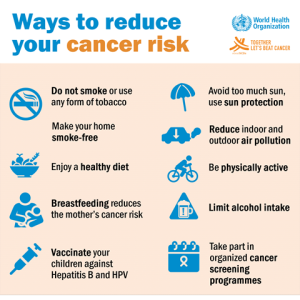
By understanding the various risk factors, adopting a healthy lifestyle, making informed dietary choices, engaging in regular physical activity, quitting smoking, minimizing exposure to carcinogens, practicing early detection and screening, and prioritizing stress management and mental well-being, we can take proactive steps towards cancer prevention.
How to Reduce Your Risk of Developing Cancer: Proven Strategies
1. Understanding the Risk Factors of Cancer
Cancer, an unpredictable and complex disease, can affect anyone, regardless of age or gender.
While the exact cause of cancer is often unknown, understanding the risk factors can empower you to make informed choices about your health.
Genetic Factors
Genetics plays a role in certain types of cancer. Inherited gene mutations can increase the risk of developing diseases such as breast or colon cancer.
It’s essential to be aware of your family history and discuss it with your healthcare provider.
Environmental Factors
Exposure to certain environmental factors, such as chemicals, radiation, and pollutants, may elevate the risk of cancer.
Minimizing exposure to these substances, both in the workplace and in your daily life, is crucial.
Lifestyle Factors
Unhealthy lifestyle choices can significantly contribute to cancer risk.
Factors such as tobacco use, excessive alcohol consumption, poor diet, lack of physical activity, and obesity can all increase the likelihood of developing cancer.
2. Adopting a Healthy Lifestyle: Key to Cancer Prevention
While we can’t control our genetics or the environment entirely, adopting a healthy lifestyle is within our reach and can greatly reduce the risk of cancer.
The Link Between Lifestyle and Cancer
Numerous studies have shown a clear link between certain lifestyle choices and an increased risk of cancer.
By making positive changes, such as quitting smoking, moderating alcohol intake, and maintaining a healthy weight, you can significantly lower your chances of developing cancer.
Importance of Healthy Habits
Incorporating healthy habits into your routine, such as regular exercise, adequate sleep, stress management, and limited exposure to harmful substances, can help reinforce your body’s defenses against cancer.
Creating a Sustainable Lifestyle Change
Making lasting changes to your lifestyle might sound daunting, but it doesn’t have to be. Start with small, achievable goals and gradually build on them.
Surround yourself with supportive friends, family, or even join a community group to stay motivated on your cancer-prevention journey.
3. The Role of Diet and Nutrition in Cancer Prevention
What we eat plays a crucial role in our overall health, including cancer prevention.
Making mindful choices when it comes to our diet can have a significant impact on reducing the risk of developing cancer.
Choosing a Cancer-Protective Diet
Focus on consuming a diet rich in fruits, vegetables, whole grains, and lean proteins.
These foods provide essential nutrients, vitamins, and minerals that strengthen your immune system and protect against cancer.
Incorporating Antioxidant-Rich Foods
Antioxidants, found in colorful fruits and vegetables, help neutralize harmful free radicals in the body.
Including a variety of antioxidant-rich foods, like berries, spinach, and nuts, in your diet can provide added protection against cancer.
Limiting Processed and Red Meat Consumption
Processed meats and excessive intake of red meat have been associated with an increased risk of certain cancers.
Opt for lean protein sources such as fish, poultry, and plant-based alternatives instead.
4. Importance of Regular Physical Activity in Reducing Cancer Risk
Regular physical activity not only improves overall fitness but also plays a vital role in reducing the risk of cancer.
Benefits of Exercise in Cancer Prevention
Engaging in regular physical activity helps maintain a healthy weight, strengthens the immune system, and reduces inflammation in the body, all of which contribute to lowering cancer risk.
Finding an Exercise Routine that Works for You
The key to sticking with an exercise routine is finding activities you enjoy. Whether it’s jogging, dancing, swimming, or practicing yoga, choose activities that fit your lifestyle and bring you joy.
5. Incorporating Physical Activity into Daily Life
Incorporating physical activity into your daily routine doesn’t have to be complicated.
Take the stairs instead of the elevator, go for a walk during your lunch break, or try a standing desk. Small changes can add up and make a significant difference in reducing your risk of developing cancer.
Remember, reducing your risk of cancer involves making conscious choices and adopting a healthy lifestyle.
By understanding the risk factors, prioritizing healthy habits, making smart dietary choices, and staying physically active, you can take an active role in protecting your health and well-being.
Effective Strategies for Smoking Cessation
The Dangers of Smoking and Cancer Risk
Alright, let’s talk about smoking. We all know it’s bad for us, but did you know it’s one of the leading causes of cancer?
Yep, that nicotine-packed stick you’re puffing on increases your risk of developing various types of cancer, including lung, throat, and bladder cancer.
Not to mention all the other delightful side effects like yellow teeth and a persistent cough. So if you want to reduce your chances of becoming a walking chimney, it’s time to kick that nasty habit.
Seeking Support for Quitting
Quitting smoking is not an easy feat. Trust me, I’ve tried and failed more times than I’d like to admit. But here’s the good news: you don’t have to do it alone.
There are plenty of support systems out there to help you on your journey to a smoke-free life. Whether it’s joining a support group, talking to a counselor, or enlisting the support of your friends and family, having a strong support network makes all the difference.
Plus, you’ll have someone to give you a well-deserved high-five when you finally kick that butt to the curb.
Alternative Methods for Quitting Smoking
If going cold turkey isn’t your jam, fear not! There are alternative methods to help you quit smoking.
From nicotine patches and gum to prescription medications, there’s a whole arsenal of tools at your disposal. Just make sure to consult with a healthcare professional to find the best method for you. And remember, even if you stumble along the way, don’t beat yourself up.
Quitting smoking is a journey, and the most important thing is to keep trying.
Protective Measures against Exposure to Carcinogens
Identifying Common Carcinogens
Carcinogens, sounds like a fancy word, right? Well, it’s just a fancy term for substances that can cause cancer. They can be found in all sorts of places, from your workplace to the products you use at home. It’s like a sneaky game of hide and seek, except way less fun.
So it’s important to do a little detective work and identify these culprits. Some common carcinogens include asbestos, certain chemicals found in cleaning products, and even the fumes released from cooking at high temperatures. So keep your eyes peeled and your cancer-fighting hat on.
Reducing Exposure in the Workplace and Home
Once you’ve identified those pesky carcinogens, it’s time to show them who’s boss. In the workplace, make sure to follow safety guidelines, wear protective gear, and minimize your exposure to harmful substances.
At home, try swapping out those toxic chemicals for safer alternatives (goodbye bleach, hello vinegar), and make sure your living space is well-ventilated. It’s all about taking those small steps to create a safer environment for yourself and your loved ones.
Promoting a Safe Environment
Speaking of loved ones, let’s not forget about creating a safe environment for them, too. If you have little ones running around, it’s important to protect them from potential carcinogens.
Keep cleaning products out of their reach, make sure their toys are free of harmful chemicals, and encourage healthy habits like eating a balanced diet. And don’t forget to educate and spread awareness. After all, knowledge is power, my friend.
Early Detection and Screening for Cancer: A Lifesaving Practice
Understanding the Importance of Early Detection
They say knowledge is power, and when it comes to cancer, that couldn’t be more true. Detecting cancer in its early stages can be a lifesaver.
It gives you a better chance of successful treatment and can significantly increase your chances of survival. So don’t wait until it’s too late.
Familiarize yourself with the signs and symptoms of different types of cancer, and if something doesn’t feel right, don’t hesitate to reach out to your healthcare provider.
Common Cancer Screening Tests
Now, let’s talk about those lovely screening tests. These are the superhero cape-wearing champions in the fight against cancer.
Depending on your age and gender, there are various screening tests available to detect different types of cancer.
From mammograms for breast cancer to colonoscopies for colorectal cancer, these tests can catch cancer before it turns into a full-blown supervillain. So make sure to stay up to date with your screenings. It’s a small inconvenience for a potentially life-saving outcome.
Regular Check-ups and Self-Examinations
In addition to screenings, regular check-ups with your healthcare provider are essential. They can spot any potential red flags, answer your questions, and provide guidance on maintaining a healthy lifestyle.
While you’re at it, don’t forget to perform self-examinations. Ladies, check those breasts for any changes or lumps, and gentlemen, give your testicles a little TLC. It’s not the most glamorous part of your self-care routine, but it can make a world of difference.
The Power of Stress Management and Mental Well-being in Cancer Prevention
The Link Between Stress and Cancer
Ah, stress. The not-so-friendly neighborhood villain that wreaks havoc on our bodies and minds. Turns out, it can also play a role in the development of cancer.
When we’re stressed, our bodies produce hormones that can promote the growth of cancer cells. So it’s important to find healthy ways to manage stress and keep our mental well-being in check. Easier said than done, I know, but we’ll get through this together.
The Magic of Stress Management
Now, let’s talk about stress management. It’s like a magical potion that can ward off the evil cancer cells. Find what works for you, whether it’s exercise, meditation, spending time in nature, or indulging in your guilty pleasure TV show.
Just make sure it’s something that brings you joy and helps you unwind. Oh, and don’t forget to laugh. Laughter is like a natural elixir for stress. So go ahead, watch that funny cat video, and give yourself a dose of pure, unadulterated laughter.
Prioritize Your Mental Well-being
Finally, let’s not forget about the importance of prioritizing our mental well-being. Life can be tough, and sometimes we need a little extra support. Whether it’s talking to a therapist, joining a support group, or practicing self-care rituals, make sure to take care of your mind as much as your body.
Remember, you’re not alone in this journey, and it’s okay to ask for help. Because when it comes to cancer prevention, a healthy mind is just as important as a healthy body.
By implementing these proven strategies and making conscious choices in our daily lives, we can greatly reduce our risk of developing cancer.
Remember, prevention is always better than a cure. Prioritizing a healthy lifestyle, maintaining a balanced diet, staying physically active, quitting smoking, minimizing exposure to carcinogens, and practicing regular cancer screening can significantly contribute to our overall well-being and longevity.
Let’s take charge of our health and make cancer prevention a top priority for ourselves and our loved ones.


