Understanding Memory Loss
Memory loss is a common concern that many individuals encounter as they age, but understanding its nuances is essential for comprehensive care and management.
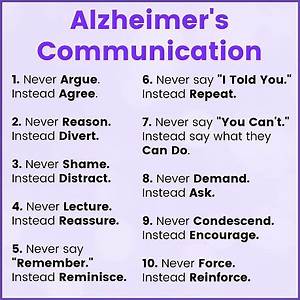
1. Introduction to Memory Loss
Memory loss is like that one friend who always forgets where they put their keys.
It can be frustrating, confusing, and sometimes downright annoying. But what exactly is memory loss?
Definition of Memory Loss
Memory loss is a sneaky phenomenon where your ability to remember things, whether recent or from way back when, decides to play hide-and-seek with you.
It can range from forgetting where you parked your car to blanking out on your best friend’s birthday.
Significance of Understanding Memory Loss
Understanding memory loss is crucial because it can sometimes be a sign of underlying health issues.
Plus, knowing more about memory loss can help you take better care of your brain and overall well-being.
So, it’s not just about finding your missing keys—it’s about keeping your brain sharp and kicking.
2. Types of Memory Loss
Memory loss comes in all shapes and sizes, kind of like shoes. Some are short-term, like that trendy pair you bought last week, while others are long-term, like those comfy old sneakers you’ve had forever.
Short-Term vs Long-Term Memory Loss
Short-term memory loss is like having a Post-it note stuck to your brain that keeps falling off, making you forget what you had for breakfast.
Long-term memory loss, on the other hand, is like losing the manual to your favorite video game—you know you played it, but the details are a bit fuzzy.
Specific Types of Memory Disorders (e.g., Alzheimer’s, Dementia)
Memory disorders like Alzheimer’s and Dementia are like the celebrities of memory loss—they get all the attention.
These disorders can be more serious and affect not just your memory but your daily life too. It’s like having a mischievous gremlin messing with your brain’s filing system.
3. Causes and Risk Factors
Why does memory loss happen? Well, it’s like a detective mystery where your brain is the sleuth trying to crack the case.
There are several suspects involved, from age-related changes to lifestyle choices that can influence your memory.
Age-Related Memory Decline
As we get older, our memory can start acting like that old computer that takes forever to boot up.
It’s a natural part of aging, but sometimes it can be a bit more than just a slow processor.
Aging gracefully also means embracing those little memory blips along the way.
Medical Conditions Linked to Memory Loss
Certain medical conditions, like thyroid problems or vitamin deficiencies, can throw a wrench in your memory.
It’s like having a party crasher messing up your memory game.
Understanding these conditions can help you tackle them head-on and keep your memory in tip-top shape.
Lifestyle Factors Contributing to Memory Loss
Your lifestyle choices can also play a role in how well your memory functions. Stress, lack of sleep, poor diet—these are like the villains in your memory story, trying to sabotage your brainpower.
Making healthier choices can be the superhero cape your memory needs.
4. Symptoms and Diagnosis
Ah, the telltale signs of memory loss. From forgetting your grocery list for the umpteenth time to struggling to remember familiar faces, these symptoms can be your brain’s way of waving a red flag.
Common Symptoms of Memory Loss
Memory loss symptoms can range from mild forgetfulness to more serious cognitive issues. It’s like a spectrum where sometimes you misplace your keys, and other times you forget how to get home.
Recognizing these symptoms early on can help you take action and prevent further memory mishaps.
Diagnostic Processes and Tests for Memory Disorders
When memory loss starts playing hard to get, it might be time to bring in the big guns—diagnostic tests.
From brain scans to memory assessments, these tests can help pinpoint what’s causing your memory mischief.
It’s like giving your brain a full check-up to make sure everything’s running smoothly.
So, there you have it—memory loss demystified, dissected, and given the spotlight it deserves.
Understanding memory loss is like knowing the ins and outs of your favorite TV show—it keeps you engaged, curious, and ready for whatever plot twists your brain might throw your way.
5. Treatment and Management Strategies
So, you’ve misplaced your keys one too many times and forgotten your neighbor’s cat’s name again. Don’t worry; you’re not alone in this forgetful adventure.
When it comes to memory loss, some treatment and management strategies can help you keep those elusive memories in check.
Medications and Therapies for Memory Loss:
Consult with your healthcare provider to discuss which treatment plan might work best for your situation.
Just remember, even the best of memory-enhancing pills won’t help if you keep forgetting to take them!
Cognitive Training and Rehabilitation Programs:
Think of these programs as memory boot camps, but with fewer push-ups and more brain teasers.
Engaging in cognitive training and rehabilitation can help improve memory function through exercises and techniques designed to sharpen your mental prowess.
6. Lifestyle Tips for Preventing Memory Loss
Who needs a memory when you have a charming personality, right? Well, maybe not.
It’s essential to take care of your memory as much as you take care of your killer sense of humor. Here are some lifestyle tips to prevent memory loss and keep those brain cells buzzing.
Healthy Diet and Nutrition Recommendations:
A diet rich in fruits, veggies, whole grains, and Omega-3 fatty acids can do wonders for your memory.
Remember, you are what you eat, so why not be a brain-boosting superfood?
Physical and Mental Exercise Suggestions:
It’s time to get those neurons firing! Regular physical exercise and mental stimulation can work wonders for your memory.
Whether you’re hitting the gym or learning a new skill, keeping both your body and mind active is key to preventing memory loss.
7. Support and Resources for Individuals with Memory Loss
Memory loss can be a tough nut to crack, but you don’t have to navigate this maze alone. Here are some support and resources available to help you along the way.
Caregiver Support Groups and Services:
For those taking care of loved ones experiencing memory loss, caregiver support groups and services can offer a lifeline.
It’s crucial to take care of yourself, too, so don’t hesitate to reach out for support and guidance.
Community Resources for Memory Loss Patients:
From memory clinics to community centers, there are various resources available for individuals dealing with memory loss.
These resources can provide valuable information, support, and activities tailored to help you manage and cope with memory loss. So, don’t be shy – reach out and let the community lend a hand in keeping your memories intact.
In conclusion, grasping the intricacies of memory loss equips us with the knowledge and tools needed to effectively address this challenge.
By adopting proactive measures, seeking appropriate support, and staying informed, individuals can enhance their quality of life and navigate the journey of memory loss with resilience and understanding.
Remember, knowledge is power when it comes to managing memory loss effectively.