Help Someone with Memory Loss
Memory loss can be a challenging and often distressing experience, both for individuals facing it and for their loved ones and caregivers.
Understanding the various types and causes of memory loss is crucial in providing effective support and assistance.
Understanding Memory Loss and Its Causes
Types of Memory Loss
Memory loss can manifest in different ways, such as short-term memory loss, long-term memory loss, and spatial memory loss.
Each type can impact an individual’s daily life in various ways.
Common Causes of Memory Loss
Memory loss can result from factors like aging, stress, sleep deprivation, certain medications, and underlying health conditions like dementia or Alzheimer’s disease.
Creating a Supportive Environment
Minimizing Distractions
Reducing background noise, clutter, and excessive stimuli can help someone with memory loss stay focused and retain information better.
Establishing Routines
Establishing consistent daily routines and visual cues can provide structure and familiarity, which can be comforting and beneficial for individuals with memory loss.
Developing Memory-Boosting Strategies
Memory Exercises and Activities
Engaging in brain-stimulating activities like puzzles, word games, and memory exercises can help improve cognitive function and memory retention.
Use of Memory Aids and Tools
Utilizing tools like calendars, to-do lists, reminder apps, and medication organizers can assist in compensating for memory loss and enhancing daily functioning.
Encouraging Healthy Lifestyle Choices
Importance of Diet and Nutrition
Maintaining a balanced diet rich in fruits, vegetables, whole grains, and omega-3 fatty acids can support brain health and cognitive function.
Physical Exercise and Its Impact
Regular physical exercise not only benefits overall health but also improves blood flow to the brain, promotes neuroplasticity, and helps maintain cognitive abilities, including memory.
How Can You Help Someone with Memory Loss?
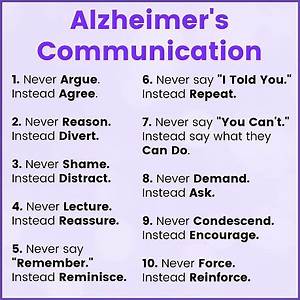
Effective Communication Techniques
Clear and Simple Instructions
When communicating with someone experiencing memory loss, it’s crucial to keep instructions clear and straightforward. Avoid overwhelming them with too much information at once.
Active Listening and Patience
Practice active listening and be patient when engaging with someone who has memory loss. Give them time to process and respond, and show empathy in your interactions.
Seeking Professional Help and Resources
Medical Evaluation and Diagnosis
Encourage the individual to seek a medical evaluation for proper diagnosis and treatment. A healthcare professional can provide valuable insights and guidance on managing memory loss.
Support Groups and Community Services
Explore support groups and community services tailored for individuals with memory loss. These resources offer emotional support, information, and practical assistance for both the individual and their caregivers.
Coping Strategies for Caregivers
Self-Care and Stress Management
Caregivers play a vital role in supporting individuals with memory loss. It’s essential for caregivers to prioritize self-care and stress management to maintain their well-being and provide effective care.
Building a Support Network
Build a strong support network by connecting with other caregivers, friends, family members, and professionals.
Sharing experiences and resources can help caregivers navigate the challenges of supporting someone with memory loss effectively.
In conclusion, by implementing these strategies and approaches, you can make a positive difference in supporting someone with memory loss.
Remember, patience, understanding, and a proactive approach can go a long way in enhancing the quality of life for individuals experiencing memory challenges.
With the right tools and techniques, both individuals with memory loss and their caregivers can navigate this journey with compassion and resilience.