Stroke-Related Issues
Seeking help for stroke-related issues is crucial for both the immediate well-being and long-term recovery of individuals affected by this medical emergency.
Recognizing the signs of a stroke, understanding the importance of swift medical attention, exploring the available treatment options, engaging in rehabilitation, and accessing ongoing support are all vital components in the journey towards recovery post-stroke.
1. Recognizing the Signs of Stroke
Understanding the Symptoms
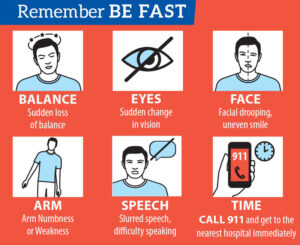
When it comes to stroke, knowledge is power. The most common symptoms of stroke can be remembered as the abbreviation FAST: Face drooping, Arm weakness, Speech difficulty, Time to call emergency services.
If someone shows these signs, don’t brush it off – act fast!
FAST Assessment for Stroke
Imagine you’re at a fancy dinner party, and suddenly someone’s face droops like a sad puppy, they can’t hold up their arm to grab the hors d’oeuvres, and their speech is all jumbled like a broken phone call.
Time to call for help – stroke might be crashing the party.
When to Suspect a Stroke
If someone starts behaving like a malfunctioning robot or suddenly loses coordination like a toddler on a sugar rush, don’t wait for magic to fix it.
Suspect a stroke and don’t play doctor – call the real pros.
2. Importance of Seeking Immediate Medical Attention
Time is Brain: Why Every Second Counts
In the world of strokes, time is more precious than finding a parking spot in a crowded mall.
The longer you wait to seek help, the more brain cells bid farewell, and believe me, those brain cells are not coming back for a reunion tour.
Emergency Response Procedures
When it comes to strokes, think of it as a fire alarm going off in the brain.
The quicker you pull that emergency cord, the better the chances of saving the building. Call 911, don’t send a pigeon with a message – this is serious stuff!
Transport to the Hospital
Imagine you’re a VIP escorting the brain cells to their emergency room suite.
When heading to the hospital, make sure it’s not a scenic route – time is of the essence.
3. Treatment Options for Stroke Patients
Medications for Acute Stroke
When a stroke hits, it’s like a messy food fight in the brain. Doctors might use medications to calm the chaos and clean up the mess.
Remember, these are not your regular over-the-counter painkillers – they’re the brain’s special forces.
Thrombolytic Therapy
Think of thrombolytic therapy as the super cool janitors of the brain – they break down the clots, causing chaos, and restore order. It’s like sending in a SWAT team to neutralize the threat and bring peace back to the neighborhood.
Surgical Interventions
Sometimes strokes are like unruly guests who overstay their welcome in the brain.
That’s when surgical interventions come into play to kick them out. Surgeons might perform procedures to fix the plumbing and wiring, ensuring smooth brain function.
4. Rehabilitation and Recovery After a Stroke
Role of Rehabilitation in Stroke Recovery
After the storm of a stroke passes, it’s time to rebuild and renovate the brain.
Rehabilitation plays the role of the brain’s trainer, guiding it back to strength and function. It’s like a makeover show for the brain – out with the old, in with the new.
Physical Therapy for Stroke Survivors
Picture a gym session for the brain – that’s what physical therapy does for stroke survivors. It’s all about rebuilding strength, coordination, and balance.
No pain, no gain – but in this case, it’s all about gaining back what stroke tried to steal.
Speech and Language Therapy
When stroke messes with speech and language, it’s like a DJ playing a broken record.
Speech therapy steps in to remix those beats and get the brain back on track. It’s like teaching the brain a new dance move – language edition.
5. Long-Term Care and Support for Stroke Survivors
Recovering from a stroke can be a challenging journey that requires long-term care and support.
Stroke survivors need to have access to resources that can help them adapt to their new normal and thrive in their recovery.
Home Modifications for Stroke Survivors
After experiencing a stroke, individuals may face physical limitations that make it difficult to navigate their living space.
Simple modifications such as installing grab bars in the bathroom, ramps for wheelchairs, or adjusting the height of countertops can significantly improve safety and accessibility at home for stroke survivors.
Support Groups and Counseling
Emotional well-being is just as crucial as physical health when it comes to stroke recovery.
Joining support groups or seeking counseling can provide stroke survivors with a safe space to share their experiences, gain valuable insights, and receive emotional support from others facing similar challenges.
Preventing Future Strokes
Once a person has suffered a stroke, they are at an increased risk of experiencing another one.
Stroke survivors need to work closely with their healthcare providers to manage risk factors such as high blood pressure, cholesterol levels, and diabetes.
By making lifestyle changes, taking prescribed medications, and attending regular check-ups, individuals can reduce their risk of future strokes and improve their overall health and well-being.
In conclusion, being proactive in seeking help for stroke-related issues can significantly impact the outcome and quality of life for individuals affected by this condition.
By recognizing the signs early, acting swiftly to seek medical attention, following through with appropriate treatment and rehabilitation, and accessing ongoing support, individuals can navigate the challenges of stroke with better outcomes and improved well-being.
Remember, seeking help is not a sign of weakness but a crucial step towards recovery and regaining independence after a stroke.


