Act Fast During a Stroke Emergency
When it comes to a stroke, every second counts. Recognizing the signs of a stroke and acting swiftly can make a significant difference in the outcome for the individual experiencing this medical emergency.
Knowing what steps to take, how to provide support, and understanding the crucial role of time in stroke treatment are all key factors in ensuring the best possible outcome.
How to Act Fast During a Stroke Emergency
1. Recognizing the Signs of a Stroke
Common Symptoms of a Stroke
A stroke can manifest through various symptoms such as sudden numbness or weakness in the face, arm, or leg, especially on one side of the body.
Other signs include confusion, trouble speaking or understanding speech, vision disturbances, dizziness, and severe headaches.
FAST Method for Identifying a Stroke
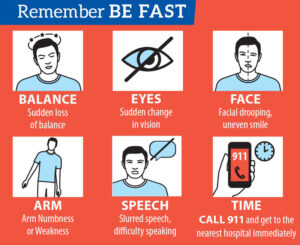
Remember the acronym FAST to spot a stroke quickly:
– **F for Face:** Ask the person to smile. Does one side of the face droop?
– **A for Arms:** Ask the person to raise both arms. Does one arm drift downward?
– **S for Speech:** Ask the person to repeat a simple phrase. Is their speech slurred or strange?
– **T for Time:** If you observe any of these signs, it’s time to call emergency services immediately.
2. Immediate Steps to Take When a Stroke is Suspected
Stay Calm and Assess the Situation
Remaining composed is crucial. Quickly evaluate the person’s symptoms to determine if a stroke may be occurring.
Call for Emergency Assistance
Dial emergency services right away and provide all necessary information about the situation. Time is of the essence in stroke cases.
Provide Reassurance and Support to the Individual
Stay with the person, offer words of comfort, and let them know help is on the way. Reassurance can help alleviate anxiety and fear.
3. Contacting Emergency Services
Providing Vital Information to Dispatch
Detail the individual’s symptoms, any relevant medical history, and your location clearly to emergency dispatchers.
Preparing for Emergency Responders’ Arrival
Ensure the pathway to the individual is clear and provide any additional assistance needed for emergency responders upon arrival.
4. Providing Support and Comfort to the Individual
Positioning the Individual for Comfort and Safety
Help the person lie down in a comfortable position, ensuring their head and neck are supported. Keep them calm and still.
Offering Words of Encouragement and Reassurance
During this critical time, your supportive words can make a difference. Let the person know they are not alone and help is on the way. Stay by their side until medical help arrives.
Remember, acting swiftly during a stroke emergency can significantly impact the person’s outcome. Stay informed, stay vigilant, and be prepared to act decisively in such situations.
5. Key Do’s and Don’ts During a Stroke Emergency
Do: Keep the Individual Calm and Reassured
When faced with a stroke emergency, it’s important to keep the individual calm and reassured. Your comforting presence can make a difference in their experience.
Don’t: Offer Food or Drink to the Individual
While you may want to provide comfort, avoid offering food or drink to someone experiencing a stroke. It’s essential to wait until medical professionals arrive to assess the situation properly.
6. Understanding the Importance of Time in Stroke Treatment
The Concept of “Time is Brain” in Stroke Care
In stroke treatment, every minute counts. The concept of “time is brain” emphasizes the critical need for prompt medical attention to minimize the impact of a stroke on brain function.
Overview of Time-Sensitive Treatments for Stroke
There are time-sensitive treatments for stroke, such as clot-busting medications and thrombectomy procedures, that can significantly improve outcomes when administered quickly.
7. Post-Emergency Care and Follow-Up
Recovery and Rehabilitation Options
After a stroke emergency, recovery and rehabilitation play a crucial role in regaining function and independence. Physical therapy, occupational therapy, and speech therapy may be part of the recovery process.
Importance of Follow-Up Medical Care and Monitoring
Regular follow-up appointments with healthcare providers are essential for monitoring progress, adjusting treatment plans, and preventing future strokes through proper management of risk factors.
8. Resources for Stroke Education and Prevention
Community Support Groups and Organizations
Seeking support from community organizations and support groups can provide valuable information, emotional support, and resources for individuals impacted by stroke.
Tips for Stroke Prevention and Risk Reduction
Taking steps to prevent stroke, such as maintaining a healthy lifestyle, managing chronic conditions like high blood pressure and diabetes, and staying active, can significantly reduce the risk of experiencing a stroke.
Conclusion
Being prepared to act quickly during a stroke emergency can truly be a lifesaving skill. By familiarizing yourself with the signs of a stroke, knowing the immediate steps to take, and understanding the importance of time in stroke treatment, you can make a difference when every second counts.
Remember, staying calm, calling for emergency assistance, and providing support to the individual are crucial actions that can help improve outcomes.
By staying informed about stroke education and prevention, you can play a vital role in promoting better health outcomes for yourself and those around you.


