Communicate with Someone Who Has Dementia
Communicating with someone who has dementia can be a challenging yet essential aspect of caregiving.
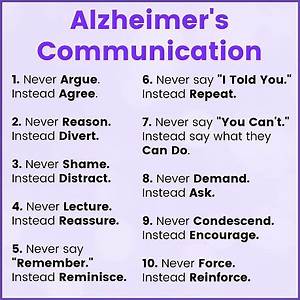
Understanding the impact of dementia on communication and knowing how to effectively engage with individuals experiencing cognitive decline is crucial for maintaining meaningful connections and providing quality care.
By implementing these approaches, caregivers can enhance communication, improve relationships, and promote the overall well-being of individuals living with dementia.
Understanding Dementia and Its Impact on Communication
Living with dementia can significantly affect a person’s ability to communicate effectively.
As the condition progresses, individuals may experience difficulties with language, memory, and understanding.
This can lead to frustration and confusion, making communication challenging for both the person with dementia and their loved ones.
Types of Dementia and Communication Challenges
Different types of dementia, such as Alzheimer’s disease, vascular dementia, and Lewy body dementia, can present unique communication challenges.
Some individuals may struggle to find the right words, while others may have trouble following conversations or maintaining focus.
Understanding these challenges is key to improving communication and fostering meaningful connections with someone who has dementia.
Creating a Supportive and Empathetic Environment
When communicating with someone who has dementia, creating a supportive and empathetic environment is essential.
This involves recognizing the person’s emotions, providing reassurance, and maintaining a sense of connection and understanding.
Importance of Emotional Connection and Reassurance
Building an emotional connection with the person with dementia can help them feel safe and understood.
Using a gentle tone of voice, offering comfort, and showing empathy can go a long way in improving communication and reducing anxiety or stress.
Reducing Distractions and Noise in the Environment
Minimizing distractions and noise in the environment can make it easier for the person with dementia to focus on the conversation.
Creating a quiet and calm space can enhance communication and prevent the individual from becoming overwhelmed or confused.
Utilizing Nonverbal Communication Techniques
When verbal communication becomes challenging, nonverbal techniques can play a crucial role in enhancing understanding and connection with someone who has dementia.
Visual cues, gestures, and interpreting body language can help bridge the communication gap.
Using Visual Cues and Gestures
Incorporating visual cues and gestures can assist in conveying messages and facilitating comprehension for individuals with dementia.
Simple gestures, facial expressions, and visual aids can supplement verbal communication and enhance the person’s understanding of the conversation.
Interpreting Body Language and Facial Expressions
Paying attention to the person’s body language and facial expressions can provide valuable insights into their emotions and needs.
Nonverbal cues can help caregivers and loved ones adapt their communication style and respond appropriately to the individual’s feelings and reactions.
Simplifying and Clarifying Communication
To promote effective communication with someone who has dementia, simplifying and clarifying the message is key.
Using clear, straightforward language and breaking down instructions into manageable steps can support the person in processing information and engaging in meaningful interactions.
Speaking Slowly and Clearly
Speaking slowly and clearly can improve a person’s ability to follow the conversation and comprehend the information being shared.
Avoiding complex sentences or jargon and maintaining a calm and patient demeanor can enhance communication and reduce misunderstandings.
Breaking Down Instructions into Simple Steps
When providing instructions or guidance, breaking down tasks into simple steps can make it easier for someone with dementia to understand and follow through.
Using repetition, visual aids, and positive reinforcement can support the person in completing tasks successfully and promote a sense of accomplishment.
Engaging in Meaningful Activities and Conversations
When communicating with someone who has dementia, engaging in meaningful activities and conversations can help create a sense of connection and joy.
Encouraging reminiscence and storytelling can spark memories and foster a sense of familiarity.
Incorporating familiar and enjoyable activities, such as listening to music or looking through old photos, can bring comfort and happiness to both parties.
Managing Challenging Behaviors and Responses
Navigating challenging behaviors and responses is a common aspect of communicating with someone who has dementia.
De-escalation techniques and conflict resolution strategies can help diffuse tense situations and promote calmness.
Redirecting negative behaviors with positive reinforcement, such as offering praise or a favorite treat, can encourage more positive interactions and outcomes.
Seeking Professional Support and Resources
It’s important to seek professional support and resources when communicating with someone who has dementia.
Consulting with healthcare providers and dementia specialists can provide valuable insights and guidance on effective communication strategies.
Exploring community programs and support groups can also offer support and connection for both caregivers and individuals living with dementia.
In conclusion, effective communication with someone who has dementia requires patience, empathy, and a willingness to adapt to their changing needs.
By implementing the strategies discussed in this article and seeking support from healthcare professionals and community resources, caregivers can navigate the challenges of communication in dementia with compassion and understanding.
Building strong connections through meaningful interactions can not only enhance the quality of life for individuals with dementia but also create moments of joy and connection that are invaluable for both the caregiver and the person living with dementia.