Behavior Changes in Patients with Dementia
Dementia, a progressive cognitive decline that affects millions of individuals worldwide, is often accompanied by a range of behavioral symptoms that can present significant challenges for both patients and their caregivers.
Understanding the behavioral changes associated with dementia is crucial in providing effective care and support for those affected by this condition.
Understanding Dementia and its Impact on Behavior
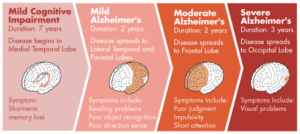
Dementia is a condition that affects cognitive functions such as memory, reasoning, and language. It also commonly leads to changes in behavior.
Understanding how dementia impacts behavior is crucial in providing proper care and support to individuals with this condition.
Common Behavior Changes in Patients with Dementia
Agitation and Aggression
Wandering and Restlessness
Repetitive Behaviors
Patients with dementia may exhibit a range of behavioral changes.
Agitation and aggression, wandering, restlessness, and repetitive behaviors are some common manifestations.
These behaviors can be challenging for both patients and caregivers to manage.
Factors Influencing Behavior Changes in Dementia Patients
Neurological Changes in the Brain
Psychological and Emotional Factors
Environmental Triggers
Behavior changes in dementia patients are influenced by various factors.
Neurological changes in the brain, psychological and emotional factors such as stress or anxiety, and environmental triggers like unfamiliar settings can all play a role in shaping how individuals with dementia behave.
Strategies for Managing Behavioral Symptoms
Non-Pharmacological Interventions
Medication Management
Creating a Calming Environment
Managing behavioral symptoms in dementia requires a multi-faceted approach.
Non-pharmacological interventions such as behavioral therapies, engaging activities, and creating routines can be effective.
In some cases, medication management may be necessary.
Creating a calming and familiar environment can also help reduce behavioral challenges for dementia patients.
Importance of Early Detection and Intervention
Dealing with behavior changes in patients with dementia isn’t a picnic.
Early detection and intervention are crucial. Just like catching a train before it leaves the station, identifying and addressing these changes promptly can make a world of difference in managing symptoms and improving quality of life.
Caregiver Support and Resources for Dealing with Behavior Changes
Educational Programs for Caregivers
Caregivers often find themselves navigating uncharted waters when it comes to handling behavior changes in dementia patients.
Educational programs can be like a life raft in these choppy seas, equipping caregivers with knowledge and strategies to better understand and manage challenging behaviors.
Support Groups and Counseling Services
Sometimes, caregivers can feel like they’re on a solo mission to Mars when dealing with behavior changes in dementia patients.
Support groups and counseling services offer a space to connect with others who understand the struggle, share experiences, and gain emotional support.
Because let’s face it, sometimes you just need to vent to someone who gets it.
Future Research and Treatment Approaches in Dementia Care
The future of dementia care isn’t written in stone tablets, but researchers are diligently chipping away at the unknown.
From exploring innovative treatment approaches to uncovering new insights into the underlying causes of behavior changes, the horizon looks promising.
So, buckle up, because the journey to better understanding and managing dementia is far from over.
In conclusion, navigating the behavior changes in patients with dementia requires a multifaceted approach that prioritizes empathy, understanding, and tailored interventions.
By staying informed, seeking support, and implementing effective strategies, caregivers and healthcare providers can enhance the quality of life for individuals living with dementia.
Continued research and advancements in dementia care offer hope for improved outcomes and a brighter future for those affected by this challenging condition.