Help Someone Having a Stroke
When it comes to assisting someone experiencing a stroke, time is of the essence.
Recognizing the signs and symptoms early and taking quick, decisive action can make a significant difference in the individual’s outcome.
By being equipped with the right knowledge and strategies, you can play a crucial role in supporting a stroke survivor on their journey to recovery and well-being.
1. Recognizing the Signs and Symptoms of a Stroke
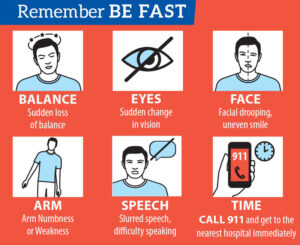
Understanding the FAST Acronym for Stroke Symptoms
When it comes to spotting a stroke, think FAST – Face drooping, Arm weakness, Speech difficulty, Time to call emergency services. If someone shows any of these signs, don’t wait, act fast!
Additional Signs and Symptoms to Look Out For
In addition to FAST, watch out for sudden confusion, trouble seeing, severe headache, dizziness, or difficulty walking.
These could also indicate a stroke, so trust your instincts and take action.
2. Taking Quick Action: Emergency Response Steps
Dialing Emergency Services Immediately
No time to play detective – dial those digits (911) pronto! Getting help on the way is crucial for a person experiencing a stroke, so don’t delay.
Providing Information to Dispatchers
When you call emergency services, provide as much info as you can – location, what’s happening, and the person’s symptoms. Being a clear communicator can help them send the right help quickly.
3. Providing Support and Reassurance to the Individual
Keeping the Person Calm and Comforted
Strokes can be scary, so be a beacon of calm for the person.
Reassure them that help is coming and stay by their side to offer comfort.
Assisting with Positioning and Comfort Measures
Help the person sit or lie down comfortably, and if they can swallow safely, give them small sips of water.
Making them as comfortable as possible while awaiting help is key.
4. Communicating Effectively with Emergency Services
Conveying Critical Details about the Situation
When speaking to emergency services, be clear and concise about the person’s symptoms, any known medical conditions, and the events leading up to the stroke. Every detail counts!
Following Instructions from Dispatchers
Listen up and follow the dispatcher’s instructions to the letter.
They’re the experts guiding you on how to best help the person until emergency responders arrive. Stay cool, calm, and collected – you’ve got this!
5. Understanding Post-Stroke Care and Recovery
After a stroke, rehabilitation plays a crucial role in the recovery process.
Accessing rehabilitation options and therapy programs can help individuals regain lost skills and independence.
Rehabilitation Options and Therapy Programs
From physical therapy to speech therapy, there are various rehabilitation options available for stroke survivors.
These programs are designed to help individuals improve their mobility, communication, and overall quality of life.
Providing a Supportive Environment for Recovery
Creating a supportive environment at home can significantly aid in the recovery process. Encouraging independence while offering assistance when needed can help stroke survivors navigate their journey to recovery with greater ease.
6. Preventing Future Strokes: Lifestyle Changes and Risk Factors
Preventing future strokes is essential for long-term health and well-being.
Identifying and addressing risk factors, as well as making healthy lifestyle changes, can help reduce the likelihood of another stroke occurrence.
Identifying and Addressing Risk Factors
Understanding and addressing risk factors such as high blood pressure, diabetes, and smoking can significantly lower the risk of a recurrent stroke.
Working with healthcare professionals to manage these factors is key to prevention.
Encouraging Healthy Habits and Lifestyle Changes
Encouraging healthy habits can contribute to overall well-being and reduce the risk of stroke.
Making small changes in daily habits can have a big impact on long-term health.
7. Supporting the Individual’s Emotional Well-being
Emotional well-being is an important aspect of stroke recovery that often gets overlooked.
Addressing emotional challenges and providing ongoing support can help individuals cope with the changes and uncertainties that come with life after a stroke.
Addressing Emotional Challenges Post-Stroke
From feelings of fear and frustration to mood swings and depression, stroke survivors may experience a range of emotional challenges.
Acknowledging these feelings and seeking appropriate support can aid in emotional recovery.
Offering Emotional Support and Encouragement
Offering emotional support and encouragement to stroke survivors can make a significant difference in their recovery journey.
Listening, empathizing, and providing reassurance can help individuals feel understood and supported during this challenging time.
8. Resources and Further Information for Stroke Caregivers
As a caregiver for a stroke survivor, accessing resources and information can help you provide the best possible care and support.
Support groups, educational materials, and caregiving techniques can all aid in enhancing the quality of care provided.
Accessing Support Groups and Community Resources
Joining support groups specific to stroke caregiving can provide valuable insights, guidance, and emotional support.
Community resources and organizations dedicated to stroke care can also offer practical assistance and information.
Educating Yourself on Stroke Recovery and Caregiving Techniques
Continuously educating yourself on stroke recovery, caregiving techniques, and available resources can enhance your ability to provide effective care.
Staying informed and seeking out professional guidance when needed can improve the caregiving experience for both you and the stroke survivor.
Closing Thoughts
Being prepared to respond swiftly and effectively to a stroke can truly make a difference in someone’s life.
By understanding the signs of a stroke, knowing how to act promptly, and providing ongoing support and care, you can help improve the chances of a positive outcome for the individual.
Remember, every minute counts when it comes to a stroke.
So being informed and ready to take action can be life-saving. With the right knowledge and compassionate approach, you can be a source of comfort and assistance to someone in need during a critical moment.
Stay informed, stay proactive, and be a supportive presence for those experiencing a stroke.


