Stroke Symptoms
A stroke is a medical emergency that requires prompt attention and swift action. Understanding the causes, recognizing the warning signs, and knowing how to respond can make a significant difference in the outcome for someone experiencing a stroke.
From the underlying factors that contribute to strokes to the importance of quick intervention and the basic essential post-stroke care and rehabilitation, this guide aims to equip families with the knowledge and resources needed to navigate through this critical health crisis.
1. Understanding Stroke: Causes and Risk Factors
A stroke is like a traffic jam in your brain, where blood flow gets blocked or interrupted.
This sudden interruption can lead to serious brain damage and affect your body functions like a grumpy boss messing up your workday.
Types of Stroke
There are two main types of strokes:
Ischemic, where a blood clot decides to crash the party
Hemorrhagic, where a blood vessel throws a leaky tantrum, flooding your brain space.
Both are equally unwelcome guests that can ruin your brain’s day.
Think of stroke risk factors like those annoying coworkers who always mess things up – high blood pressure, smoking, diabetes, high cholesterol, and a sedentary lifestyle.
If your body has these troublemakers hanging around, your risk for a stroke party crasher goes up.
2. Recognizing the Warning Signs of Stroke
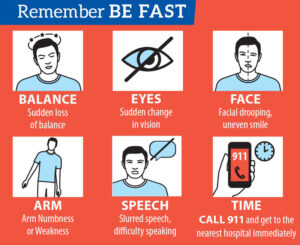
FAST: A Simple Way to Identify Stroke Symptoms
FAST is not just a speed; it’s also a superhero sidekick acronym to help spot stroke symptoms:
Face drooping, Arm weakness, Speech difficulty, Time to call for help! Remember, time is brain cells, and you don’t want them running for the emergency exit.
Other Less Common Symptoms to Watch For
Apart from the FAST gang, strokes can also throw in dizziness, severe headaches, vision troubles, and trouble walking into the mix.
If your body starts acting like it’s auditioning for a medical drama, it might be time to raise the alarm.
3. Fast Action: Importance of Prompt Response to Stroke Symptoms
Why Time is Critical in Stroke Care
When it comes to strokes, time is brain tissue’s best friend.
The longer you wait to tackle a stroke head-on, the more brain cells join the chaotic party crash, and nobody likes an overcrowded brain dance floor.
When to Call Emergency Services
If you spot any stroke symptoms in yourself or a loved one, don’t be shy – dial those emergency services like you’re the star of your medical drama. Every minute counts in the race against a stroke’s damage, so don’t hesitate to make the call.
4. Seeking Emergency Medical Help for Suspected Stroke
You’ve made the emergency call, buckle up for a rollercoaster ride to the emergency room, where medical heroes will swoop in to save the day.
Expect a flurry of tests, scans, and evaluations to figure out the best plan to kick that unwelcome stroke out.
Treatment Options for Stroke Patients
From clot-busting medications to surgical interventions, the treatment toolbox for strokes has some serious firepower.
The goal is to restore blood flow, save brain cells, and kickstart the recovery journey. So, buckle up and let the medical wizards work their magic!
5. Post-Stroke Care and Rehabilitation: What Families Need to Know
Understanding the Recovery Process
Recovery after a stroke can be a challenging journey, but understanding the process can help families support their loved ones effectively.
Every stroke survivor’s recovery is unique, and it can involve physical therapy, speech therapy, occupational therapy, and psychological support.
Progress may be slow, but with patience and determination, many survivors improve over time.
Support Services Available for Stroke Survivors and Caregivers
Families of stroke survivors are not alone in this journey. There are various support services available to help both survivors and caregivers navigate life after a stroke.
These services can include support groups, respite care, in-home assistance, and counseling.
Seeking help and support from these resources can make a significant difference in the recovery and well-being of both the survivor and their family.
In conclusion, being informed about stroke symptoms and knowing how to react can be life-saving.
By understanding the signs, taking immediate action, and providing ongoing support during the recovery process, families can play a crucial role in helping their loved ones who have experienced a stroke.
Remember, knowledge and quick response are key when it comes to dealing with strokes, and by staying educated and prepared, families can make a positive impact on the outcome of a stroke event.


