After a Stroke
Experiencing a stroke can be a life-altering event that impacts not only the individual but also their loved ones.
Understanding what happens after a stroke and the journey of recovery and care is crucial for navigating this challenging time.
From the initial medical treatment to long-term rehabilitation, as well as the physical, cognitive, and emotional challenges that may arise.
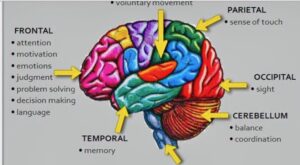
Additionally, the important role of caregivers, lifestyle changes, and available resources for stroke survivors are also explored to provide a holistic view of post-stroke recovery.
1. Understanding the Impact of a Stroke
Recognizing the Signs of a Stroke
When it comes to strokes, time is of the essence. Remember FAST – Face drooping, Arm weakness, Speech difficulty, Time to call emergency services. Don’t ignore these signs!
Types and Causes of Strokes
Strokes come in different flavors – ischemic, hemorrhagic, and mini-strokes called TIAs.
They can be caused by a clogged or burst blood vessel in the brain. Your brain deserves better, so let’s protect it.
2. Initial Medical Treatment and Rehabilitation
Emergency Care for Stroke Patients
When a stroke strikes, the clock starts ticking. Quick treatment can mean the difference between a full recovery and lasting damage. Don’t be a hero – call 911 right away!
Physical and Occupational Therapy
After the storm comes the rainbow – physical and occupational therapy help stroke survivors regain strength, movement, and independence. It’s like hitting the gym, but with extra support and guidance.
3. Long-Term Recovery Process
Setting Realistic Recovery Goals
Recovery is not a sprint, it’s a marathon. Small victories count, so celebrate each step forward. Set achievable goals, stay positive, and keep moving one step at a time.
Continued Rehabilitation and Therapy
Rehab doesn’t have an expiration date. Keep up with therapy sessions, exercises, and lifestyle changes to keep progress going. Consistency is key – you got this!
4. The Role of Caregivers in Stroke Recovery
Supporting the Physical and Emotional Needs of Stroke Survivors
Caregivers are the unsung heroes in the stroke recovery journey. From assisting with daily tasks to offering emotional support, your role is crucial. Your presence is a present!
Strategies for Caregiver Self-Care
You can’t pour from an empty cup – take care of yourself, too. Set boundaries, ask for help, and don’t forget to recharge your batteries. You deserve a standing ovation for all you do!
5. Managing Physical and Cognitive Challenges
Dealing with Mobility Issues
After a stroke, managing mobility issues like muscle weakness or paralysis is crucial. Physical therapy can help regain strength and coordination.
Assistive devices like canes or walkers may also be recommended to improve mobility and independence.
Cognitive Rehabilitation and Support
Cognitive challenges post-stroke, such as memory loss or difficulty with reasoning, can be addressed through cognitive rehabilitation. This may involve exercises to improve cognitive functions and strategies to adapt to new ways of thinking and problem-solving.
6. Emotional and Psychological Support for Stroke Survivors
Coping with Post-Stroke Depression and Anxiety
It’s common for stroke survivors to experience feelings of depression and anxiety. Seeking professional help, joining support groups, and staying connected with loved ones can all aid in coping with these emotions.
Building a Strong Support Network
Building a support network of family, friends, and healthcare professionals is essential for stroke survivors.
Having people to lean on for emotional support, practical assistance, and encouragement can make a significant difference in the recovery process.
7. Lifestyle Changes and Preventative Measures
Diet and Exercise Recommendations
Adopting a healthy diet rich in fruits, vegetables, lean proteins, and whole grains, along with regular exercise, can play a key role in stroke recovery and prevention. Consult with a healthcare provider for personalized recommendations.
Reducing the Risk of Recurrent Strokes
Lifestyle modifications like quitting smoking, managing stress, controlling blood pressure and cholesterol levels, and taking prescribed medications can help reduce the risk of recurrent strokes.
Regular follow-ups with healthcare providers are essential.
8. Resources and Support Services for Stroke Survivors
Community Organizations and Support Groups
Community organizations and support groups dedicated to stroke survivors can provide valuable resources, information, and emotional support. Connecting with others who have gone through similar experiences can be empowering.
Financial and Legal Assistance Programs
Navigating the financial and legal aspects post-stroke can be challenging. Seeking assistance from programs that offer support with insurance claims, disability benefits, or legal matters can alleviate some of the stress during the recovery process.
Conclusion
Recovering from a stroke is a journey that requires patience, perseverance, and a strong support system.
By understanding the impact of a stroke, actively participating in rehabilitation, and making necessary lifestyle changes, stroke survivors can enhance their quality of life and reduce the risk of future strokes.
Caregivers play a vital role in this process, providing support and assistance every step of the way.
With access to resources and support services, individuals can continue to thrive after a stroke and work towards a brighter and healthier future.
Frequently Asked Questions
1. How long does stroke recovery typically take?
Stroke recovery varies for each individual depending on the severity of the stroke and other factors.
Some people may see significant improvement within a few months, while others may continue to make progress over several years.
2. What are some common challenges faced during stroke recovery?
Common challenges during stroke recovery include physical impairments such as weakness or paralysis, cognitive issues like memory loss or difficulty concentrating, emotional struggles such as depression or anxiety, and lifestyle adjustments to prevent future strokes.
3. How can caregivers support stroke survivors in their recovery?
Caregivers can support stroke survivors by providing emotional encouragement, assisting with daily activities, ensuring medication adherence, coordinating medical appointments, and promoting healthy lifestyle habits.
Taking care of their own physical and emotional well-being is also crucial for caregivers to effectively support their loved ones.


