Types of Strokes
Understanding the Basics
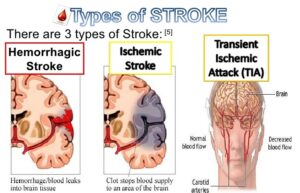
Strokes are a serious medical condition that can have life-altering consequences if not identified and treated promptly. In this article, we will delve into the different types of strokes, including ischemic strokes, hemorrhagic strokes, and transient ischemic attacks (TIAs).
By exploring the causes, symptoms, and treatment options for each type of stroke, you will gain a comprehensive understanding of these potentially debilitating events.
Understanding the Basics
Strokes are no joke. These sudden interruptions in blood flow to the brain can cause a variety of symptoms and have serious consequences.
But fear not, understanding the different types of strokes can help you navigate the murky waters of stroke awareness and prevention with confidence.
Ischemic Stroke: Causes and Symptoms
Definition and Characteristics
Ischemic strokes occur when a blood clot blocks an artery supplying blood to the brain. This lack of blood flow leads to brain cell damage and various neurological symptoms.
Common Causes of Ischemic Stroke
Common culprits behind ischemic strokes include high blood pressure, diabetes, smoking, and high cholesterol. These risk factors can lead to the formation of blood clots that trigger a stroke.
Recognizing Symptoms Early
Early recognition of ischemic stroke symptoms is crucial for prompt treatment. Look out for sudden numbness or weakness in the face, arm, or leg, especially on one side of the body, along with confusion, trouble speaking, and vision problems.
Hemorrhagic Stroke: Risk Factors and Treatment
Exploring Hemorrhagic Strokes
Hemorrhagic strokes result from a weakened blood vessel rupturing and bleeding into the brain. This type of stroke can be caused by conditions like high blood pressure, aneurysms, or arteriovenous malformations.
Identifying Risk Factors
Risk factors for hemorrhagic strokes include age, family history, and lifestyle choices such as excessive alcohol consumption and illicit drug use. Keeping these risk factors in check can help prevent the occurrence of a hemorrhagic stroke.
Treatment Options and Prognosis
Treatment for hemorrhagic strokes may involve medication, surgery, or other interventions aimed at stopping the bleeding and reducing pressure on the brain.
The prognosis for individuals who have experienced a hemorrhagic stroke varies depending on the severity of the bleeding and the timeliness of treatment.
Transient Ischemic Attack (TIA): Signs and Prevention
Understanding TIAs
Transient Ischemic Attacks (TIAs), often referred to as “mini-strokes,” are temporary disruptions in blood flow to the brain that resolve on their own. While TIAs don’t typically cause permanent damage, they can be warning signs of an impending major stroke.
Signs and Symptoms to Watch For
Symptoms of a TIA are similar to those of a stroke but typically last only a few minutes to a couple of hours. These may include sudden weakness, numbness, confusion, and difficulty speaking or understanding speech.
Preventive Measures for TIAs
Preventing TIAs involves managing risk factors such as high blood pressure, diabetes, and high cholesterol levels.
Lifestyle modifications like maintaining a healthy diet, regular exercise, and avoiding smoking can also help reduce the risk of experiencing a TIA. Remember, it’s better to prevent a stroke than to treat one!
Hemorrhagic vs. Ischemic Strokes: Key Differences
Comparing Hemorrhagic and Ischemic Strokes
When it comes to strokes, it’s like choosing between a rock and a hard place: hemorrhagic strokes happen when a blood vessel in the brain bursts open like a surprise party, while ischemic strokes occur when a blood vessel gets blocked faster than you can say “traffic jam.”
The key difference? One’s a leak, the other’s a clog.
Distinguishing Features and Implications
Hemorrhagic strokes bring the drama, causing bleeding and putting pressure on the brain, while ischemic strokes play it sneaky by cutting off blood supply like a mischievous prankster. The implications?
Well, hemorrhagic strokes can be like a messy roommate—disruptive and unpredictable, while ischemic strokes are more the silent assassin type.
Recognizing the Signs of a Stroke: FAST Method
What is the FAST Method?
Imagine your brain sending an SOS signal like a desperate text during a crisis. The FAST method is your decoding key: Face drooping, Arm weakness, Speech difficulties, Time to call for help. It’s like a superhero coming to your rescue!
Using FAST for Quick Assessment
FAST isn’t just a speed challenge; it’s your stroke-slaying buddy. If you or someone else shows these signs, don’t wait for a sign from above—call emergency services faster than you can say “superhero hotline.” Time is brain cells, people!
Rehabilitation and Recovery After a Stroke
Overview of Stroke Rehabilitation
Rehabilitation after a stroke is like hitting the reset button on a glitchy computer. It involves regaining lost skills, learning new ways to navigate daily life, and adjusting to your brain’s new normal. It’s like a crash course in rewiring your brain’s GPS.
Types of Therapies and Programs
From physical therapy to speech therapy to occupational therapy, it’s a rehab buffet out there. Each therapy plays a vital role in helping you bounce back from a stroke and reclaim your independence. Think of it as your stroke squad, cheering you on every step of the way.
Support and Resources for Recovery
Recovery after a stroke isn’t a solo mission; it’s a team sport. Don’t hesitate to lean on friends, family, healthcare professionals, support groups, and community resources.
They’re like your cheerleaders, helping you tackle challenges, celebrate small victories, and navigate the ups and downs of post-stroke life.
Rehabilitation and Recovery After a Stroke
Support and Resources for Recovery
As you now have a better understanding of the types of strokes and the importance of early recognition and treatment, remember that stroke recovery is a journey that requires patience, persistence, and support.
Whether you or a loved one has experienced a stroke, accessing the right rehabilitation programs and resources can make a significant difference in the recovery process.
By staying informed, proactive, and engaged in your recovery journey, you can maximize your chances of regaining function and leading a fulfilling life post-stroke.
Remember, you are not alone, and there are resources and professionals available to support you every step of the way. Stay positive, stay motivated, and prioritize your health and well-being as you navigate the path to recovery after a stroke.


