Support a Loved One Living with Parkinson’s Disease
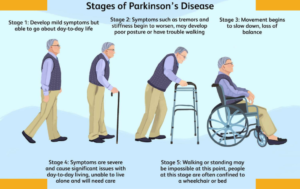
Creating a Supportive Environment: Emotional and Practical Support
When someone you love is living with Parkinson’s Disease, emotional support can make a world of difference.
Simply being there to listen and offer a shoulder to lean on can provide immeasurable comfort. Let your loved one know that you’re there for them, no matter what.
Encourage open and honest communication about their feelings and concerns. Sometimes, a good laugh or a heartfelt conversation is all it takes to brighten their day.
Practical Ways to Support a Loved One
In addition to emotional support, there are practical ways to make life easier for someone with Parkinson’s Disease.
For instance, helping with household chores, running errands, or organizing their medications can be a huge help.
Offering transportation to medical appointments or physical therapy sessions can also relieve some of the burdens. Remember, even small acts of kindness can go a long way in showing your loved one that you care.
Encouraging Physical Activity and Exercise
Importance of Physical Activity for Parkinson’s Disease
Physical activity is crucial for individuals living with Parkinson’s Disease. Regular exercise can help improve mobility, balance, and overall quality of life.
It has also been shown to enhance mood, reduce stiffness, and alleviate some of the symptoms associated with PD. Encourage your loved one to find an exercise routine that suits their abilities and interests.
Recommended Exercises for Individuals with Parkinson’s Disease
Several types of exercises are particularly beneficial for individuals with Parkinson’s Disease.
These include activities that focus on balance, flexibility, strength, and cardiovascular fitness.
Examples may include yoga, tai chi, swimming, walking, or biking. It’s important to consult with a healthcare professional or a physical therapist to determine the best exercise plan tailored to your loved one’s specific needs.
Assisting with Medication Management and Treatment Plans
Understanding Medications for Parkinson’s Disease
Medications play a vital role in managing Parkinson’s Disease symptoms. They are designed to help replace or mimic the role of dopamine in the brain.
However, keeping track of medications and adhering to treatment plans can be challenging.
Educate yourself about the medications prescribed to your loved one, their potential side effects, and the importance of taking them as prescribed.
Tips for Managing Medication and Treatment Plans
To assist with medication management, you can help your loved one organize their pillbox or set reminders for them to take their medications on time.
It may also be useful to keep a record of any observed changes or side effects to discuss with their healthcare provider.
Encourage open communication about their symptoms and treatment experiences to ensure that they receive the best possible care.
Remember, supporting someone with Parkinson’s Disease is all about being there for them, both emotionally and practically.
With your understanding, encouragement, and assistance, you can make a positive difference in their lives.
And don’t forget to sprinkle a little humor and lightheartedness along the way – laughter truly is the best medicine!
Communication Strategies: Effective Ways to Talk and Listen
Enhancing Communication with a Loved One with Parkinson’s Disease
Communicating with someone who has Parkinson’s disease can come with its own set of challenges, but fear not! There are strategies you can use to enhance your communication and make your conversations smooth sailing.
First and foremost, be patient. Parkinson’s can sometimes slow down speech and make it difficult to articulate thoughts.
Give your loved one the time they need to express themselves without interrupting or finishing their sentences. Remember, it’s not a race to the finish line of conversation!
Another helpful tip is to eliminate distractions. Find a quiet space with minimal background noise, and make sure you have your loved one’s attention before starting a conversation.
You can also try using visual aids or gestures to support your communication. Who doesn’t love a good hand wave or interpretive dance move to get the message across?
Active Listening Techniques
Listening is a crucial part of any conversation, and active listening is even more important when communicating with someone living with Parkinson’s disease.
Show your loved one that you’re fully engaged and attentive by maintaining eye contact and nodding your head to indicate understanding.
Encourage them to express their thoughts and feelings without interruptions, and resist the urge to finish their sentences (unless they’re playing an intense game of charades).
It’s also essential to respond with empathy and understanding. Put yourself in their shoes (not literally, that might be awkward) and try to imagine what they’re experiencing.
Reflect on their emotions and show them that you genuinely care about their perspective. And remember, laughter is a powerful tool.
A good sense of humor can lighten the mood and create a positive atmosphere, so don’t be afraid to sprinkle some laughter into your conversations!
Promoting Independence and Daily Living Skills
Strategies for Supporting Independence
Living with Parkinson’s disease doesn’t mean giving up on independence. There are many strategies you can employ to help your loved one maintain their sense of autonomy.
Start by encouraging regular exercise. Physical activity can help to improve motor skills and overall well-being.
Assistive devices like canes or walkers can also provide stability and boost confidence. And let’s not forget about technology!
There are plenty of apps and gadgets available that can enhance independence, from medication reminders to voice-controlled smart home devices. Embrace the wonders of the digital age!
Assisting with Daily Living Activities
Daily living activities can become more challenging for individuals with Parkinson’s disease, but fear not, superhero caregiver to the rescue! First, establish a routine to provide structure and predictability.
This can help your loved one feel more in control and confident about their daily tasks. Break down activities into smaller, manageable steps, and offer assistance when needed.
Don’t be afraid to ask for their preferences or input – it’s their life, after all. And remember, a little encouragement goes a long way. Praise their efforts and celebrate their accomplishments, no matter how small.
Seeking Professional Help: Therapies and Support Groups
Overview of Therapeutic Options for Parkinson’s Disease
When it comes to managing Parkinson’s disease, professional help can be a game-changer.
Therapeutic options such as physical therapy, occupational therapy, and speech therapy can be immensely beneficial.
Physical therapy can improve mobility and balance, while occupational therapy focuses on maintaining independence in daily activities.
Speech therapy helps with speech and swallowing difficulties, and hey, it’s always a good excuse to practice your impression of a pirate!
Benefits of Support Groups for Individuals with Parkinson’s Disease
Support is like a warm blanket on a chilly day – comforting and necessary.
Support groups provide a safe space for individuals with Parkinson’s disease to share experiences, exchange tips, and connect with others who truly understand what they’re going through.
These groups can offer emotional support, practical advice, and a sense of belonging.
As a caregiver, encourage your loved one to give it a whirl. Who knows, they might find their new squad and start planning epic game nights!
Taking Care of the Caregiver: Self-Care and Coping Strategies
Importance of Self-Care for Caregivers
While caring for a loved one with Parkinson’s disease is undoubtedly a noble task, don’t forget to take care of yourself too. Remember, you’re a superhero, but even superheroes need a break.
Prioritize self-care by engaging in activities that bring you joy and relaxation. Whether it’s taking a bubble bath, going for a walk, or indulging in a guilty pleasure TV show, do whatever fills your cup.
And don’t feel guilty about it! Self-care isn’t selfish; it’s necessary for your well-being.
Coping Strategies for Managing Caregiver Stress
Caregiver stress is like an unwelcome houseguest that never seems to leave. But fear not, you can manage it! One strategy is to seek support from family and friends.
Don’t be afraid to lean on your support network and ask for help when needed. Find healthy coping mechanisms like exercise, meditation, or journaling to release stress and clear your mind.
And remember, it’s okay to have a good cry and let those emotions flow. Just make sure to have a stash of tissues nearby!
So there you have it, folks! With these communication strategies, tips for promoting independence, information on seeking professional help, and advice for taking care of yourself, you’ll be a caregiving superstar for your loved one with Parkinson’s disease.
Just remember to approach everything with compassion, patience, and a sprinkle of humor. You got this!
In conclusion, supporting a loved one living with Parkinson’s Disease requires compassion, patience, and knowledge.
By understanding the symptoms and challenges associated with the condition, creating a supportive environment, encouraging physical activity, assisting with medication management, practicing effective communication, promoting independence, seeking professional help, and self-care as a caregiver, you can make a positive impact on their journey.
Remember, your support and understanding can greatly contribute to their well-being and overall quality of life. Together, we can navigate the complexities of Parkinson’s Disease and provide the love and care that our loved ones deserve.