Correct Temperatures to Grill Foods
Grilling is a cooking technique that is beloved by many, especially during the warm summer months.
Achieving the perfect grilled flavor and texture depends on several factors, but one of the most important is temperature.
Different types of food require different temperatures to cook evenly and reach safe internal temperatures, and each grill has its unique temperature characteristics.
Whether you’re a seasoned grill master or a novice on the grill, this guide will help you cook perfectly grilled foods every time.
Understanding the Basics of Grilling Temperatures
Why Cooking Temperature Is Important
When it comes to grilling, temperature is everything. The right temperature ensures that the food is cooked thoroughly, safely, and deliciously.
If the temperature is too low, the food may not cook properly, leading to a chewy and undercooked meal.
On the other hand, if the temperature is too high, the food may burn and become dry.
The Three Zones of Grilling
To achieve the perfect temperature for your grilled food, it’s essential to understand the three zones of grilling: direct, indirect, and searing zones.
The direct zone is where the heat source is directly beneath the food, and it’s perfect for searing and cooking smaller pieces of food.
The indirect zone is where the heat source is on either side of the food, creating an oven-like environment, and it’s ideal for cooking larger cuts of meat.
The searing zone is the hottest part of the grill and is used to sear the food, locking in the juices and adding a delicious char.
The Relationship Between Temperature and Time
It’s important to note that cooking time also depends on the temperature – the higher the temperature, the shorter the cooking time.
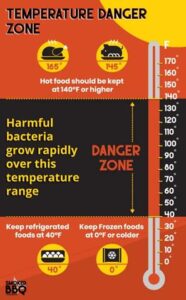
However, it’s crucial to ensure that the food reaches a safe internal temperature to avoid any foodborne illnesses.
A meat thermometer is an excellent tool to ensure that your food is cooked at the correct temperature.
The Science of Heat Transfer in Grilling
Conduction, Convection, and Radiation Explained
Grilling involves three types of heat transfer methods: conduction, convection, and radiation. Conduction is the direct transfer of heat from the grill grates to the food.
Convection is the heat transfer caused by the movement of hot air around the food, and radiation is the transfer of heat from the heat source to the food.
How Different Heat Sources Affect Grilling
The type of heat source you use can also affect the grilling process.
Charcoal grills provide a smoky flavor and high heat, while gas grills are more convenient and easier to control the temperature.
Electric grills have the advantage of being easy to clean, and wood pellet grills offer versatility by allowing you to smoke and grill at the same time.
The Ideal Temperature for Different Types of Foods
Meat: Beef, Poultry, Pork, and Lamb
The ideal temperature for grilled meat varies depending on the type of meat and cut.
Beef steaks should be cooked at 130-135°F for medium-rare and 140-145°F for medium.
Poultry should be cooked to an internal temperature of 165°F.
Pork and lamb should be cooked to 145-160°F.
Seafood
Seafood should be cooked to an internal temperature of 145°F. Fillets and shellfish can be grilled over direct heat, while thicker cuts should be cooked using the indirect method.
Vegetables and Fruits
Vegetables and fruits should be grilled at a medium-high temperature, around 350-400°F.
Harder vegetables like corn and asparagus can be grilled over direct heat, while softer vegetables like tomatoes and peppers should be grilled using the indirect method.
Tips for Preparing Your Grill for Cooking
Cleaning and Maintaining Your Grill
Before cooking, always ensure that your grill is clean and well-maintained. Clean the grates using a brush or scraper and remove any debris or ashes from the bottom of the grill.
Regularly check the grill for any signs of wear and tear, and replace any damaged parts.
Charcoal vs Gas Grills
Choosing between a charcoal or gas grill comes down to personal preference.
Charcoal grills provide a smoky flavor, while gas grills are more convenient and easy to use. Consider your grilling needs and choose the grill that suits you best.
Common Grilling Mistakes That Affect Temperature
Grilling can be a bit of a science, and it’s easy to make mistakes that can affect the temperature of your grill. Here are a few common mistakes to avoid:
Opening the Grill Too Often
Every time you open the grill, heat escapes, which means the temperature drops. If you’re constantly opening the grill to check on your food, you’re going to have trouble maintaining the correct temperature.
Try to resist the urge to peek, and instead use a thermometer to check the temperature of your food without opening the lid.
Using the Wrong Fuel
Different types of fuel will produce different levels of heat, so it’s important to choose the right one for the job.
Charcoal is a popular option, but it can be difficult to control the temperature.
Gas grills are easier to control, but they don’t produce the same smoky flavor that charcoal does.
Make sure you’re using the right fuel for your grill, and keep an eye on the temperature to make sure it stays consistent.
Not Preheating the Grill
Preheating the grill is essential to getting the correct temperature. If you don’t preheat the grill, your food will cook unevenly and may not develop that delicious char that you’re looking for.
Make sure you give your grill plenty of time to heat up before you start grilling.
Tools and Techniques for Monitoring Temperature
Monitoring the temperature of your grill is key to getting perfectly grilled foods. Here are a few tools and techniques to help you do it:
Thermometers
A good meat thermometer is an essential tool for any grill master.
Insert it into the thickest part of the meat to get an accurate temperature reading. This will help you avoid overcooking or undercooking your food.
Infrared Thermometers
Infrared thermometers are another useful tool for monitoring temperature.
They work by measuring the heat radiating from the surface of the grill, which can give you a more accurate picture of the overall temperature.
How to Adjust Temperature for Perfectly Grilled Foods
Adjusting the temperature of your grill can take a bit of practice, but it’s essential to getting perfectly grilled foods. Here are a few tips to help:
Adjusting the Grill Grates
If you’re having trouble maintaining the temperature of your grill, try adjusting the height of the grill grates.
Moving them closer to the heat source will increase the temperature while moving them farther away will decrease it.
Using Direct and Indirect Heat
Direct heat is great for searing and cooking things quickly.
Indirect heat is better for slow cooking and smoking. Use a combination of direct and indirect heat to get the best results.
Controlling Temperature with Vents
Most grills have vents that you can use to control the temperature.
Opening the vents will increase the temperature while closing them will decrease it. Experiment with the vents to find the right temperature for your food.
Safety Tips for Grilling at Different Temperatures
Grilling can be a lot of fun, but it’s important to take safety precautions, especially when dealing with high temperatures. Here are a few tips to keep in mind:
Preventing Foodborne Illnesses
Make sure you’re cooking your food to the correct temperature to avoid foodborne illnesses. Use a meat thermometer to check the temperature, and follow cooking guidelines carefully.
Protecting Yourself from Burns and Fires
Grilling can be dangerous if you’re not careful. Make sure you’re using long-handled utensils to avoid burns and keep a fire extinguisher handy in case of emergencies.
Don’t leave your grill unattended, and make sure it’s on a stable surface away from flammable materials.
In conclusion, by understanding the basics of grilling temperatures and the science of heat transfer, you can achieve perfectly grilled foods every time.
From preparing your grill to monitoring temperature and adjusting heat, these tips will help you become a grill master in no time.
Remember to always prioritize safety, and enjoy the delicious flavors that only grilling can offer.
