Dementia is a complex condition that affects millions of individuals worldwide, yet it is often shrouded in misconceptions and myths.
By exploring prevalent myths such as the belief that dementia is an inevitable part of aging or that memory loss is the sole symptom, we seek to provide clarity and accurate information about this neurological disorder.
Introduction to Dementia
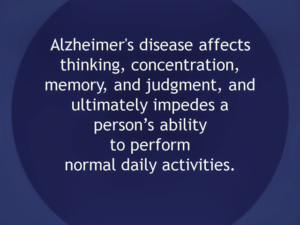
Dementia is not just forgetting where you left your keys – it’s a complex set of symptoms that impact a person’s cognitive abilities, affecting their memory, behavior, and ability to perform everyday tasks.
It is not a specific disease, but a term used to describe a decline in mental ability severe enough to interfere with daily life.
Defining Dementia
Dementia is often misunderstood as a natural part of aging, but it is not.
It is caused by damage to brain cells, affecting communication between brain cells and disrupting cognitive function.
Alzheimer’s disease is the most common cause of dementia, accounting for 60-80% of cases.
Prevalence of Dementia
Dementia is more common in older adults but is not a normal part of aging.
Worldwide, around 50 million people have dementia, and the numbers are expected to triple by 2050.
It affects individuals and has a significant impact on their families and caregivers.
Myth: Dementia is a Normal Part of Aging
Contrary to popular belief, dementia is not a typical part of growing older.
While aging is a risk factor for developing dementia, the two are not synonymous. Dementia is a medical condition that requires proper diagnosis and management.
Understanding the Difference
As we age, some decline in cognitive function is normal, but dementia represents a more severe and progressive decline.
It is essential to differentiate between age-related cognitive changes and symptoms of dementia to ensure appropriate care and support.
Factors Contributing to this Myth
The misconception that dementia is an inevitable consequence of aging may stem from a lack of awareness and stigma surrounding cognitive decline.
By debunking this myth, we can promote a better understanding of dementia and encourage early intervention.
Myth: Memory Loss is the Only Symptom of Dementia
While memory loss is a hallmark symptom of dementia, it is not the only indicator.
Dementia encompasses a range of cognitive, behavioral, and psychological symptoms that can vary depending on the type of dementia and the individual’s brain affected.
Exploring Dementia Symptoms
In addition to memory impairment, individuals with dementia may experience changes in language, communication difficulties, confusion, disorientation, and challenges with reasoning and judgment.
Recognizing these diverse symptoms is crucial for early detection and appropriate care.
Types of Dementia and Their Symptoms
Different types of dementia, such as vascular dementia, Lewy body dementia, and frontotemporal dementia, present with unique sets of symptoms.
Understanding these variations can aid in accurate diagnosis and tailored treatment plans for individuals with dementia.
Myth: Dementia is Untreatable
While there is currently no cure for dementia, there are various treatment options available to manage symptoms, improve quality of life, and support overall well-being.
Early diagnosis and intervention play a critical role in maximizing the effectiveness of these treatments.
Current Treatment Options
Treatment for dementia may include medications to alleviate symptoms, cognitive stimulation programs, lifestyle modifications, and support services for patients and their caregivers.
These interventions aim to delay disease progression and enhance the individual’s independence and functioning.
Importance of Early Diagnosis
Early detection of dementia allows timely access to interventions and support services to help individuals maintain their cognitive abilities and prolong independence.
By addressing symptoms proactively, we can improve outcomes and provide a better quality of life for those affected by dementia.
Myth: Only Older Adults Can Develop Dementia
Dementia in Younger Populations
It’s a common misconception that only older adults can develop dementia.
While age is a significant risk factor, younger individuals can also experience dementia, known as early-onset dementia.
This condition can affect people in their 40s and 50s, highlighting the importance of understanding that dementia is not exclusive to the elderly.
Risk Factors for Early-Onset Dementia
Factors such as genetics, traumatic brain injuries, and certain medical conditions can contribute to early-onset dementia.
Recognizing these risk factors and seeking early intervention can help manage symptoms and improve the quality of life for those affected.
Myth: Dementia is Inevitable if It Runs in the Family
Genetics vs. Lifestyle Factors
While a family history of dementia can increase the risk of developing the condition, it’s essential to understand that genetics is just one piece of the puzzle.
Lifestyle factors, such as diet, exercise, and mental stimulation, play a significant role in reducing the risk of dementia.
Making healthy choices can help mitigate genetic predispositions.
Reducing Risk Through Healthy Habits
Engaging in regular physical activity, maintaining a balanced diet, staying mentally active, and cultivating social connections are all ways to reduce the risk of dementia, even in individuals with a family history of the disease.
By focusing on a holistic approach to health, you can take proactive steps to protect your brain health.
Myth: People with Dementia Are Always Aggressive
Understanding Behavioral Changes
Contrary to popular belief, not all individuals with dementia exhibit aggressive behaviors.
Dementia can manifest in various ways, including memory loss, confusion, and changes in mood and personality.
Understanding these behavioral changes can help caregivers provide appropriate support and interventions.
Approaches to Managing Behavior
Effective communication, establishing routines, providing a safe environment, and incorporating meaningful activities can help manage behaviors in individuals with dementia.
By approaching care with empathy, patience, and creativity, caregivers can create a supportive and nurturing environment for those living with dementia.
Conclusion: Dispelling Dementia Myths
Dispelling common myths about dementia is essential for promoting awareness, understanding, and compassion for individuals living with the condition.
By challenging misconceptions and gaining accurate knowledge about dementia, we can create a more inclusive and supportive community for those affected by this neurological disorder.
Let’s ignore myths, embrace facts, and foster a culture of empathy and empowerment in the face of conclusion, dispelling the myths surrounding dementia is crucial in fostering a better understanding of the condition and supporting those affected by it.
By debunking misconceptions and promoting accurate information, we can work towards creating a more compassionate and informed society that offers understanding and support to individuals living with dementia.
Let us continue to educate ourselves and others, challenging these myths and embracing a more inclusive and empathetic approach towards dementia care.