Benign Paroxysmal Positional Vertigo
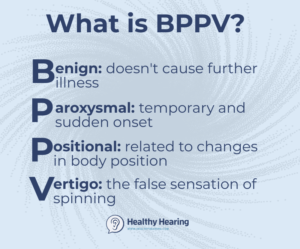
Benign Paroxysmal Positional Vertigo (BPPV) is a common vestibular disorder characterized by brief episodes of dizziness triggered by changes in head position.
Often described as a spinning sensation, BPPV can significantly impact daily activities and quality of life.
Understanding the underlying causes, symptoms, and available treatment options is essential for those affected by this condition.
Understanding Benign Paroxysmal Positional Vertigo (BPPV)
Definition of BPPV
Benign Paroxysmal Positional Vertigo (BPPV) is a fancy term for a common condition that causes brief episodes of dizziness when you change the position of your head.
How BPPV Affects Balance
BPPV messes with your balance because it affects the vestibular system, which is nestled snugly in your inner ear.
This system is responsible for keeping you grounded.
When tiny calcium crystals that normally reside in the inner ear’s canals dislodge, they float around and confuse your brain into thinking you’re moving even when you’re not.
Causes and Risk Factors of BPPV
Inner Ear Anatomy
The inner ear is like a mini amusement park for your balance.
It contains structures called semicircular canals filled with fluid and tiny hair cells that detect motion.
When the tiny calcium carbonate crystals, known as otoconia, decide to go on a joyride, they disrupt the normal function of these canals, leading to the dizzying chaos that is BPPV.
Common Triggers of BPPV
BPPV can be triggered by a variety of seemingly mundane activities, such as turning over in bed, looking up, or even getting your hair done.
These head movements can send those pesky crystals tumbling into areas where they don’t belong, resulting in a short-lived but unsettling bout of vertigo.
Demographic and Health Factors
While BPPV can strike anyone, it’s more common in older adults, particularly those over 60.
Health factors like head trauma, inner ear infections, and prolonged periods of bed rest can also increase your chances of experiencing this dizzy delight.
Symptoms and Diagnosis of BPPV
Typical Symptoms of BPPV
The hallmark symptoms of BPPV are spells of dizziness, spinning sensations (also known as vertigo), and imbalance, usually triggered by head movements.
The episodes can last from a few seconds to a minute, leaving you feeling like you just got off a merry-go-round.
Nausea and a general sense of disorientation may also tag along for the ride!
Diagnostic Tests and Procedures
To diagnose BPPV, doctors often perform a series of tests, including the Dix-Hallpike maneuver.
This involves a quick head turn to evoke those dizzy sensations.
Imaging tests like MRIs are utilized to rule out other potential causes, but for the most part, your dizzy spells will help guide the diagnosis.
Differential Diagnosis
BPPV can sometimes be mistaken for other vestibular disorders, like Meniere’s disease or vestibular neuritis.
Doctors will assess your symptoms, medical history, and perform some tests to ensure that they’re not letting an imposter steal the spotlight.
Getting the correct diagnosis is key to finding the right treatment.
Treatment Options for BPPV
Canalith Repositioning Maneuvers
The first line of attack for BPPV typically involves canalith repositioning maneuvers, like the Epley maneuver.
This involves a series of specific head and body movements designed to guide those rogue crystals back to their proper home in the inner ear.
Medications for Symptom Relief
While medications won’t fix the underlying cause of BPPV, they can help ease the symptoms.
Antihistamines or anti-nausea medications might be prescribed to help combat the vertigo and queasiness.
Just know that while they can provide relief, they won’t send those rebellious crystals packing.
Surgical Interventions
In rare cases where BPPV is persistent and other treatments fail, surgical options may be considered.
These could include procedures to block the affected inner ear canal or to remove the problematic crystals altogether.
Most people find relief with simpler, non-invasive treatments before it gets to this point!
Home Remedies and Lifestyle Adjustments
Self-Management Strategies
When it comes to managing benign paroxysmal positional vertigo (BPPV), self-care can be your trusty sidekick.
Simple strategies like avoiding sudden head movements, sleeping with your head elevated, and taking it easy when getting up can work wonders.
Keeping a diary of your vertigo episodes can also help identify triggers, so you can dodge those pesky positions.
Exercises to Improve Balance
Balance exercises are like personal trainers for your inner ear.
The Epley maneuver is a popular choice; it’s a series of head and body movements designed to reposition the tiny crystals in your inner ear that cause vertigo.
Other balance-enhancing exercises, like Tai Chi or yoga, can also help strengthen stability and coordination.
Dietary Considerations
While there’s no specific BPPV diet, some people find that reducing caffeine and alcohol helps reduce their symptoms.
Stay hydrated.
A balanced diet rich in fruits, vegetables, and whole grains can help keep your overall health in check, which may help your ears stay in tip-top shape!
Complications and Prognosis
Potential Complications of Untreated BPPV
Ignoring BPPV might lead to more than just dizzy spells. Untreated, it can result in persistent imbalance, anxiety, or complications from falls.
After all, nobody wants to take an unexpected trip to the floor! In some cases, sufferers develop a fear of movement, which can significantly impact daily life.
Long-term Outlook for Patients
The good news is that BPPV is often a one-and-done kind of deal with treatment.
The prognosis for most patients is quite positive, with symptoms resolving in a few weeks or months.
For some, it may recur.
With proper management, most people can live their lives vertigo-free.
Prevention Strategies for BPPV
Identifying Risk Factors
Knowing your risk factors can feel like having a cheat sheet for life.
BPPV is more common in those over 60.
Other factors include previous head injuries or inner ear disorders.
If you fall into these categories, keep an eye (and ear) out for signs of vertigo—it’s better to be safe than sorry!
Preventive Exercises and Techniques
Just like you wouldn’t walk into a gym without a plan, tackling BPPV means you’ll want some preventive measures up your sleeve.
Regular balance exercises can help fortify your inner ear’s resolve.
Remember, a little prevention goes a long way in maintaining your equilibrium.
When to Seek Medical Attention
Signs of Severe BPPV
While a little dizziness is par for the course with BPPV, certain signs scream “get help now!”
If you experience prolonged vertigo, severe headaches, or symptoms persisting beyond a couple of weeks, don’t hesitate to contact your doctor.
It’s better to be safe than take an unnecessary spin on the dizzy ride.
Emergency Situations Related to Vertigo
If your vertigo is accompanied by a sudden loss of vision, difficulty speaking, or weakness in your arms or legs, it’s time to go to the nearest emergency room.
These can be signs of something more serious!
In conclusion, Benign Paroxysmal Positional Vertigo (BPPV) is a manageable condition that, while potentially disruptive, can be effectively treated through various methods.
Understanding the symptoms and triggers is crucial for those experiencing vertigo, as early intervention can lead to better outcomes.
By staying informed about treatment options and preventive strategies, individuals can minimize the impact of BPPV on their daily lives and maintain their overall well-being.
If symptoms persist or worsen, seeking medical advice is essential to ensure proper care and support.
Frequently Asked Questions (FAQ)
What causes Benign Paroxysmal Positional Vertigo (BPPV)?
BPPV is caused by dislodged calcium crystals in the inner ear that disrupt normal balance signals.
These crystals can become displaced due to head trauma, aging, or certain health conditions.
How is BPPV diagnosed?
BPPV is typically diagnosed through a physical examination and specific tests, such as the Dix-Hallpike maneuver, which triggers dizziness to confirm the presence of the condition.
What are the treatment options for BPPV?
Treatment options for BPPV include canalith repositioning maneuvers, medications to alleviate symptoms, and in some cases, surgical interventions if conservative treatments are ineffective.
Can BPPV be prevented?
While not all cases of BPPV can be prevented, maintaining good ear health, avoiding sudden head movements, and practicing balance exercises can help reduce the risk of developing the condition.
