Meniere’s Disease
Meniere’s disease is a chronic inner ear disorder that affects balance and hearing, characterized by episodes of vertigo, tinnitus, hearing loss, and a sensation of fullness in the ear.
First described in the 19th century, this condition continues to impact the lives of many individuals worldwide, often leading to significant challenges in daily functioning and quality of life.
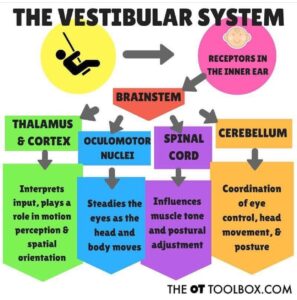
Understanding the underlying causes, symptoms, and available treatment options for Meniere’s disease is crucial for those affected, as well as for their families and caregivers.
Understanding Meniere’s Disease: Overview and Symptoms
Definition of Meniere’s Disease
Meniere’s disease is a fancy term for a not-so-fancy condition that affects the inner ear.
This pesky disorder can lead to episodes of vertigo (think spinning around until you want to hurl), hearing loss, tinnitus (the ringing in your ears that nobody else can hear), and the feeling of fullness in the ear.
Basically, it’s like your inner ear is throwing a wild party, and you didn’t get the invite.
Common Symptoms Experienced by Patients
Patients with Meniere’s disease often experience a delightful mix of symptoms, including:
– Vertigo : Sudden and intense spinning sensations—just when you thought standing still was safe.
– Hearing Loss : This can come and go, but it leaves some people yelling, “What?!” more than usual.
– Tinnitus : A constant ringing that can turn into a symphony of annoying sounds.
– Aural Fullness : Like your ears are stuffed with cotton balls.
Stages of Meniere’s Disease
Meniere’s disease can progress through different stages like an annoying video game level:
1. Early Stage : Symptoms are intermittent and mild. You might feel a little off, but nothing you can’t handle.
2. Middle Stage : Symptoms become more frequent and intense, possibly ruining your plans for a leisurely day.
3. Late Stage : The symptoms become more persistent, and hearing loss may be more severe.
The Causes and Risk Factors of Meniere’s Disease
Potential Genetic Links
There’s a possibility that Meniere’s disease runs in families, so if your mom or dad experienced it, you might be in the genetic lottery for this condition.
However, winning the genetic lottery isn’t always a reason to celebrate. Genetics, in this case, could load the dice against your ears.
Environmental Factors and Their Impact
Environmental factors like stress, allergies, and dietary choices may play a role in triggering symptoms.
It’s almost like your body has become a sensitive diva that can’t handle the wrong food or a busy day.
Other Health Conditions Associated with Meniere’s Disease
If you have health issues like migraines, autoimmune disorders, or even a history of ear infections, you might be in the danger zone for Meniere’s.
Sometimes your body has a little too much going on, and Meniere’s decides to crash the party uninvited.
Diagnosis: How Meniere’s Disease is Identified
Medical History and Symptom Assessment
The journey to diagnosing Meniere’s starts with your doctor asking about your medical history and the delightful symptoms you’ve been experiencing.
Be prepared to share every ear-tinkling detail. They’ll want the full scoop before sending you off for more tests.
Diagnostic Tests and Procedures
Expect to undergo various tests, which may include hearing tests, balance tests, and sometimes imaging studies.
It’s like a pop quiz for your ears, but there are no study guides available.
Fear not! The results will help your doctor figure out what’s really going on in that inner ear of yours.
Differential Diagnosis: Rule Out Other Conditions
Before settling on Meniere’s as the culprit, your doctor will want to cross out other pesky conditions that could be causing your symptoms.
This will involve ruling out labyrinthitis, vestibular neuritis, and a few other tricky suspects. It’s a little like being a detective, but with fewer magnifying glasses.
Treatment Options: Managing Symptoms and Improving Quality of Life
Medical Treatments and Medications
Treatment often includes medications to manage symptoms like nausea during vertigo episodes, diuretics to reduce fluid buildup, and sometimes even anti-anxiety meds.
Think of it as assembling a superhero team to fight against those annoying ear issues!
Surgical Interventions
When medical treatments aren’t cutting it, surgical options might be on the table.
These can range from procedures to relieve inner ear pressure to more invasive surgeries like labyrinthectomy.
But don’t worry; your doctor will ensure you’re aware of all the risks and benefits.
Alternative Therapies and Their Efficacy
Some patients swear by alternative therapies like acupuncture, dietary changes, and stress-reduction techniques.
While results can vary, trying these approaches may offer some relief.
After all, if you can’t control the chaos, why not get creative and find a way to cope with a little flair?
Lifestyle Changes and Home Remedies for Meniere’s Disease
Dietary Modifications and Nutrition
Making a few tweaks to your diet can feel like a gourmet game-changer when dealing with Meniere’s disease.
Consider cutting back on sodium—it’s the sneaky villain of fluid retention.
Opt for fresh fruits, veggies, and lean proteins instead of processed snacks, which are often loaded with salts.
Staying hydrated is also key, but do it wisely; avoid excessive caffeine and alcohol, as they can flirt with your balance and exacerbate symptoms.
Think of your diet as a protective shield, and tailor it to keep those pesky vertiginous episodes at bay!
Stress Management Techniques
When life gives you lemons (or a Meniere’s diagnosis), it’s time to whip up some stress management strategies.
Mindfulness techniques, such as meditation or deep breathing exercises, can help calm the storm inside your head.
Find what works for you—yoga, tai chi, or simply enjoying a hot cup of herbal tea while watching cat videos on the internet (guilty as charged!).
Remember, a relaxed mind leads to a happier balance, so put on your zen hat and kick stress to the curb!
Exercise and Physical Activity Recommendations
Now, before you rush off to join a marathon, let’s clarify: low-impact exercises are your best friends!
Think walking, swimming, or cycling—activities that keep your heart healthy without tossing you around like a ragdoll.
Regular exercise can improve circulation, which is great news for your inner ear.
Just remember to listen to your body and avoid vigorous activities on days when you feel a bit wobbly. Balance is key, after all (pun definitely intended)!
Living with Meniere’s Disease: Coping Strategies and Support
Emotional and Psychological Support
Living with Meniere’s can sometimes feel like you’re on a roller coaster—thrilling, yes, but also nauseating!
It’s essential to prioritize your emotional well-being.
Seeking therapy or talking to a counselor can help you navigate the ups and downs that come with the territory.
It’s also perfectly okay to feel frustrated; recognize those feelings, and don’t hesitate to reach out to someone you trust.
Remember, it’s all about creating a support system that’s as steady as your ideal equilibrium!
Support Groups and Community Resources
Don’t underestimate the power of a community that gets it. Support groups, whether in-person or virtual, can provide invaluable camaraderie.
Sharing experiences with others who can relate can lighten the load (and sometimes even provide a few laughs).
Many organizations offer resources, forums, and meetups to connect with fellow Meniere’s warriors.
You’re not alone in this—I promise the “Meniere’s Club” has some pretty awesome members!
Educating Family and Friends
There’s nothing worse than having your family think you’re just “faking it” because you suddenly turned into a human tilt-a-whirl.
To avoid misunderstandings, take the time to educate your loved ones about Meniere’s disease.
Share articles, have conversations, or even invite them to join you for an appointment with your doctor. Knowledge is power, folks!
The more they understand, the better they can support you on your journey, and maybe even help you dodge the occasional dizzy spell.
Research and Future Directions in Meniere’s Disease
Current Clinical Trials and Studies
Research in Meniere’s disease is buzzing like a busy bee! Current clinical trials are exploring new treatment options, from medication breakthroughs to innovative therapies.
Keeping an eye on these studies could provide insights into novel ways to manage symptoms or, dare we say it, possibly even find a cure!
If you’re interested in participating, talk to your healthcare provider about any ongoing clinical trials in your area.
Innovations in Treatment and Management
Science is on a mission to revolutionize how we tackle Meniere’s. From advancements in vestibular rehabilitation to cutting-edge medications that promise relief, the landscape of treatment is ever-evolving.
Devices like wearable sensors are also being developed to monitor symptoms in real-time.
Stay informed, as these innovations could offer fresh strategies to help you regain control over your life (and your balance).
Future Perspectives on Understanding the Disease
The future looks promising!
Researchers are diving deep into the genetic and environmental factors involved in Meniere’s, which could lead to personalized treatments tailored just for you.
Understanding the underlying mechanisms of the disease can unlock a treasure trove of information, ultimately leading to more effective therapies.
So, while you may feel a bit dizzy now, just know that the scientific community is working tirelessly on the case!
Conclusion: Key Takeaways on Meniere’s Disease and Its Impact
Summary of Key Points
Meniere’s disease may be a challenging puzzle, but with the right lifestyle changes, support, and ongoing research, you’ve got tools to tackle it head-on.
Dietary modifications, stress management, and a solid support system can significantly enhance your quality of life.
Plus, the scientific community is committed to uncovering groundbreaking treatments that may hold promise for the future.
Encouragement for Patients and Caregivers
To all the warriors living with Meniere’s (and their tireless caregivers), take a breath! You’re doing an incredible job navigating the twists and turns of this condition.
Lean on your support systems, keep an open line of communication with healthcare providers, and remember: every little step you take counts. You’re not just surviving; you’re thriving!
Resources for Further Information
If you’re hungry for more info, dive into reputable resources like the Vestibular Disorders Association (VeDA), or check out the American Academy of Otolaryngology’s website.
They’re treasure troves of knowledge! Whether it’s tips on managing symptoms or details about the latest research, you’ll find a wealth of information to empower your journey.
In conclusion, Meniere’s disease presents unique challenges that can significantly affect an individual’s life.
By gaining a deeper understanding of the condition, its symptoms, and available treatment options, patients and their families can better navigate its complexities.
Whether through medical interventions, lifestyle adjustments, or support networks, there are pathways to manage Meniere’s disease effectively.
Staying informed and connected with healthcare providers is essential in finding a personalized approach to living well with this condition.
Frequently Asked Questions (FAQ)
What are the primary symptoms of Meniere’s disease?
Patients with Meniere’s disease typically experience episodes of vertigo, tinnitus (ringing in the ears), fluctuating hearing loss, and a sensation of fullness or pressure in the affected ear.
Is Meniere’s disease hereditary?
While the exact cause of Meniere’s disease is not fully understood, there is evidence suggesting that genetic factors may play a role in its development.
Individuals with a family history of the condition may be at a higher risk.
What lifestyle changes can help manage Meniere’s disease?
Managing Meniere’s disease often includes dietary modifications, such as reducing salt intake, avoiding caffeine and alcohol, and staying hydrated.
Stress management techniques, regular exercise, and adequate rest can also be beneficial.
Are there any new treatments for Meniere’s disease on the horizon?
Ongoing research is exploring innovative treatments for Meniere’s disease, including new medications, advanced surgical techniques, and therapies aimed at alleviating symptoms.
Staying updated through healthcare providers can provide insight into emerging options.
