Strokes are a serious medical condition that can have life-altering consequences, making it crucial to understand the common causes and risk factors associated with this neurological event.
By gaining insights into these key elements, individuals can proactively take steps to minimize their risk of experiencing a stroke and prioritize their long-term health and well-being.
What is a Stroke?
Imagine your brain is a fancy hotel and suddenly, the elevator stops working, causing chaos in the lobby. That’s kind of what happens during a stroke.
It’s when blood flow to a part of your brain gets blocked or a blood vessel bursts, leading to brain cells not getting the oxygen and nutrients they need. It’s like a power outage in the brain neighborhood.
Types of Strokes
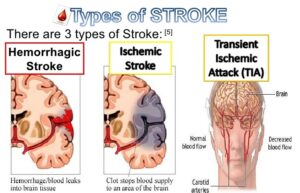
There are two main types of strokes. Ischemic strokes are like a traffic jam in your brain’s blood vessels, while hemorrhagic strokes are like a burst pipe flooding the brain’s basement.
Both are serious business and can cause different kinds of trouble.
Overview of Risk Factors
Just like leaving your phone out in the rain increases the chances of it short-circuiting, certain risk factors increase your likelihood of having a stroke.
These can include high blood pressure, smoking, diabetes, and other lifestyle factors. It’s like playing a game of Russian roulette with your health.
Hypertension and its Link to Stroke
Understanding Hypertension
Hypertension, or high blood pressure, is like having a fire hose instead of a garden hose in your body’s plumbing system.
It puts extra pressure on your blood vessels, making them more likely to burst and cause trouble. It’s like trying to fit a round peg into a square hole – not a good idea.
How High-Blood Pressure Increases Stroke Risk
When your blood pressure is high, it’s like having a superhero movie fight scene in your blood vessels, leading to damage and blockages that can trigger a stroke.
It’s like inviting troublemakers to a party and hoping they behave – not likely.
Managing Hypertension to Prevent Strokes
Just like putting a leash on an overly excited puppy, managing hypertension through lifestyle changes, medication, and regular check-ups can help reduce your risk of having a stroke.
It’s like giving your body’s plumbing system a much-needed tune-up.
Atrial Fibrillation and Stroke Risk
What is Atrial Fibrillation?
Atrial fibrillation is like a disco party in your heart’s rhythm – fun for a while, but it can lead to chaos.
It’s a condition where your heart beats irregularly, increasing the chances of blood clots forming. It’s like having a dance-off with your heart’s electrical system.
Connection Between Atrial Fibrillation and Stroke
When blood clots party too hard in your heart’s disco, they can sneak out and travel to your brain, causing a stroke.
It’s like having sneaky troublemakers in your bloodstream looking for mischief.
Treatment and Prevention Strategies
To prevent these party crashers from causing trouble, treatments like medications, procedures, and lifestyle changes can help manage atrial fibrillation and reduce your stroke risk.
It’s like putting bouncers at the door of your heart’s disco to keep things under control.
Lifestyle Factors Contributing to Stroke
Diet and Nutrition
Eating a diet high in fried foods and sugary treats is like fueling your body with junk instead of premium gas.
A healthy diet full of fruits, veggies, whole grains, and lean proteins can help keep your brain and blood vessels happy and reduce stroke risk.
It’s like giving your body’s engine the good stuff to run smoothly.
Physical Activity and Exercise
Sitting on the couch all day is like letting rust build up in your body’s machinery.
Regular physical activity and exercise can help keep your heart strong, your blood flowing smoothly, and your stroke risk low.
It’s like oiling the hinges of your body’s doors to keep things moving smoothly.
Stress Management and Stroke Risk
Chronic stress is like a storm brewing in your brain, increasing inflammation and putting extra strain on your heart and blood vessels.
Finding ways to manage stress through relaxation techniques, hobbies, or venting to a friend can help lower your stroke risk. It’s like putting up an umbrella in a mental downpour to stay dry and calm.
Diabetes and its Impact on Stroke Risk
Overview of Diabetes and Stroke Connection
Having diabetes can be like having that one friend who always shows up uninvited – it’s persistent and can lead to some serious trouble.
When it comes to strokes, having diabetes is like adding fuel to the fire. High blood sugar levels in diabetes can damage blood vessels over time, increasing the risk of blood clots that can cause strokes.
Managing Diabetes to Reduce Stroke Risk
To keep that diabetes friend in check and lower your stroke risk, it’s essential to manage your blood sugar levels diligently.
This means sticking to your treatment plan, monitoring your blood sugar regularly, and making healthy lifestyle choices like eating a balanced diet and staying active.
Dietary Considerations for Diabetics to Prevent Stroke
When it comes to diet, think of your plate as a canvas – fill it with colorful fruits and veggies, whole grains, lean proteins, and healthy fats.
Avoid the sugary temptations like they’re bad influences at a party. Eating well can help keep your blood sugar in check and reduce your risk of stroke.
Understanding the Role of Smoking and Stroke
Effects of Smoking on Cardiovascular Health
Smoking and strokes go together like peanut butter and jelly – a combo you want to avoid. Smoking not only damages your lungs but also wreaks havoc on your cardiovascular system.
It can raise your blood pressure, speed up the hardening of your arteries, and increase the likelihood of blood clots forming – all leading actors in the stroke show.
Link Between Smoking and Stroke Risk
If smoking were a character in a mystery novel, its secret would be its link to stroke risk.
Lighting up can double your risk of having a stroke, making it a habit you’d want to stub out for good.
Benefits of Quitting Smoking for Stroke Prevention
Ready for a plot twist? Quitting smoking is like giving your body a much-needed commercial break.
Within just a few years of quitting, your stroke risk can plummet. So, put out that cigarette, break up with smoking, and watch your health story take a turn for the better.
Family History and Genetic Factors in Stroke
Genetic Predisposition to Stroke
When it comes to family history and strokes, genetics can be that unexpected plot twist no one saw coming.
Some families seem to have strokes in their DNA, increasing the risk for future generations. It’s like inheriting your grandma’s antique vase, but with a lot more risk attached.
Recognizing Family History Patterns
Just like spotting a recurring theme in a movie series, recognizing patterns in your family history can help you stay one step ahead.
If strokes seem to be a family affair, it’s crucial to take proactive steps to lower your risk and break that genetic chain.
Genetic Testing and Risk Assessment
In the world of strokes, knowledge is power, and genetic testing can be your secret weapon.
Understanding your genetic predisposition to strokes can help you and your healthcare team craft a personalized prevention plan. So, get tested, know your risks, and take charge of your health narrative.
Conclusion: Prevention and Awareness of Stroke Causes
Importance of Early Detection and Intervention
When it comes to strokes, early detection is like hitting the pause button before the movie takes a tragic turn.
Recognizing the signs of a stroke and seeking immediate medical help can make all the difference in minimizing damage and improving outcomes.
Lifestyle Changes for Stroke Prevention
Think of lifestyle changes as the plot twists in your stroke story – they can turn a potentially grim tale into a hopeful one.
Eating a balanced diet, staying active, managing chronic conditions, and avoiding risky behaviors like smoking can significantly reduce your risk of stroke.
Empowering Individuals to Reduce Stroke Risk
You have the power to rewrite your health story and reduce your risk of stroke.
By staying informed, making healthy choices, and being proactive about your health, you can be the hero of your stroke prevention saga.
So, grab that pen, start writing your health journey, and make strokes a plotline of the past.
In conclusion, by increasing awareness of the common causes of strokes and adopting proactive measures to address modifiable risk factors, individuals can significantly reduce their likelihood of experiencing a stroke.
It is essential to prioritize health, make informed lifestyle choices, and seek timely medical intervention to safeguard against the debilitating effects of strokes.
Through education, prevention, and early intervention, we can work towards a future where strokes are minimized, and individuals can lead healthier, more fulfilling lives.


