Stress Impacts Your Daily Life
Stress is an inevitable part of life, affecting individuals in various ways and permeating every aspect of daily living.
Understanding the multifaceted impact of stress is crucial for maintaining overall well-being and mental health.
By examining how stress influences relationships, social interactions, and long-term health outcomes, we can better equip ourselves with coping mechanisms and strategies to navigate the challenges that stress presents in our modern society.
Stress is that feeling of being overwhelmed, anxious, and just plain frazzled. But what exactly is stress and why does it love crashing our daily party?
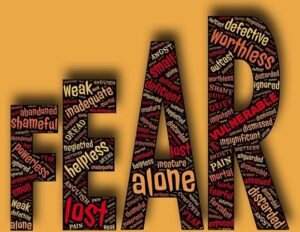
Defining Stress and Its Causes
Stress is that nagging pressure cooker of emotions triggered by everything from work deadlines to family drama to the eternal struggle of finding matching socks.
It’s our body’s way of saying, “Hey, things are getting a bit too cray-cray here.” Thanks, body, we hadn’t noticed.
The Body’s Response to Stress
When stress knocks on the door, our body goes into full-on panic mode.
Our heart races like it’s in a marathon, our palms get sweaty like we just watched a horror movie, and our brain goes into overdrive.
Physical Impact of Stress on the Body
Stress isn’t just that annoying roommate who never does the dishes; it can wreak havoc on our physical health too.
It’s like that sneaky ninja causing chaos inside our body without us even realizing it.
Effects of Stress on the Immune System
When stress barges in uninvited, our immune system goes into full-on panic mode too.
It’s like our body’s defense squad suddenly forgetting how to fight off germs and bugs.
Cardiovascular Consequences of Chronic Stress
Chronic stress is like that unwanted guest who decides to move in permanently.
It can lead to serious heart issues like high blood pressure, heart disease, and all things cardio-related.
Mental and Emotional Consequences of Stress
Stress isn’t just a physical bully; it messes with our minds and emotions too.
Cognitive Impairments Due to Stress
Stress turns our brain into a scrambled mess of thoughts and worries.
It’s like trying to focus on a crossword puzzle while someone blasts heavy metal in your ear.
Emotional Well-being and Stress
Stress doesn’t just stop at messing with our brains; it takes a toll on our emotions too.
It’s like that friend who always brings drama to the party, leaving us feeling drained and emotionally exhausted.
Behavioral Changes Caused by Stress
Stress doesn’t just stop at messing with our bodies and minds; it loves to shake things up in our daily habits and routines too.
Sleep Disturbances and Insomnia
Stress loves to pull an all-nighter with our sleep schedule, leaving us tossing and turning like a restless caterpillar.
Impact on Eating Habits and Weight
Stress doesn’t just stop at keeping us up at night; it messes with our appetite too.
It’s like that sneaky chef who adds extra servings of comfort food to our plates without us even realizing it.
Stress can throw a giant monkey wrench into the smooth machinery of our relationships.
It’s like trying to have a calm, rational conversation with someone while a marching band practices in your brain.
Communication challenges often crop up when stress is lurking in the background, turning simple discussions into potential minefields of misunderstandings and tension.
Communication Challenges in Relationships
Ever found yourself snapping at your partner or misinterpreting their innocent comment? Blame it on stress!
When we’re stressed, we might struggle to express ourselves clearly or listen attentively, leading to conflicts that could have been avoided with a little less cortisol in our systems.
Social Withdrawal and Isolation
Stress can also make us want to curl up in a blanket burrito and avoid the world.
Social withdrawal and isolation are common responses to stress, as interacting with others might feel too exhausting or overwhelming.
But hey, remember, a good friend and a cup of tea can work wonders in times of stress!
Coping Mechanisms for Managing Stress
When stress hits us like a tidal wave, having a sturdy lifeboat of coping mechanisms can make all the difference.
Instead of letting stress sweep you away, you can learn to ride the waves with grace and resilience.
Healthy Stress Management Strategies
From deep breathing exercises to zoning out with your favorite music, there are countless healthy ways to manage stress.
Finding what works best for you is key.
Seeking Support and Professional Help
Sometimes, stress feels like an unruly beast we can’t tackle alone. That’s when seeking support from friends, family, or a professional can be a game-changer.
Talking through your stress with someone you trust or seeking help from a therapist can provide valuable insights and tools to navigate life’s stormy seas.
Long-Term Health Implications of Chronic Stress
Chronic stress isn’t just a nuisance – it’s a sneaky villain that can wreak havoc on our bodies and minds if left unchecked.
Ignoring chronic stress is like inviting a troupe of mischief-makers to set up camp in your system, causing chaos with every beat of your heart.
Chronic Diseases Linked to Prolonged Stress
Heart disease, diabetes, and depression are just a few of the unwelcome guests that chronic stress can invite into our lives.
The constant surge of stress hormones can take a toll on our bodies, laying the groundwork for these and other chronic illnesses to make themselves at home.
Preventative Measures for Addressing Chronic Stress Effects
Prevention is the best medicine when it comes to chronic stress.
Incorporating stress-reducing practices into your daily routine, such as exercise, mindfulness, and healthy eating, can help build a fortress against the negative effects of long-term stress.
Remember, taking care of yourself isn’t a luxury – it’s a necessity.
In conclusion, recognizing and addressing the effects of stress on our daily lives is fundamental to promoting a healthier and more balanced existence.
By implementing effective coping mechanisms, seeking support when needed, and prioritizing self-care practices, we can mitigate the negative impacts of stress and cultivate resilience in the face of life’s challenges.
Remember, managing stress is a continuous journey that requires self-awareness, mindfulness, and a proactive approach to maintaining overall well-being.


