Stress Cause Panic Attacks
Stress is an inevitable part of life, affecting individuals in various ways.
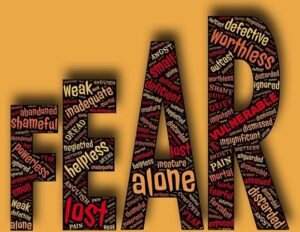
For some, stress can manifest in the form of panic attacks, sudden and intense episodes of fear and discomfort.
The relationship between stress and panic attacks is complex, with stress often being identified as a significant trigger for these episodes.
Understanding how stress influences the onset and severity of panic attacks is crucial in managing and preventing these debilitating experiences.
1. Introduction to Stress and Panic Attacks
Defining Stress and Panic Attacks
Stress: That feeling you get when your to-do list is longer than a CVS receipt.
Panic Attacks: When your body decides to throw a surprise party for your nervous system – and you’re not invited.
The Prevalence of Stress and Panic Attacks
Stress and panic attacks are like those unwanted party crashers that show up uninvited to the shindig of your life.
They’re pretty common too, affecting more people than holiday traffic.
2. Understanding the Connection between Stress and Panic Attacks
Psychological Factors Involved in Stress-Induced Panic Attacks
Imagine stress as the villain in a cheesy movie, and panic attacks as the dramatic climax.
Psychological factors like overwhelming situations and deep-rooted fears often team up to make stress-induced panic attacks the surprise twist you never saw coming.
Impact of Stress Hormones on Panic Attacks
Hello, stress hormones, the drama queens of the body’s chemical cocktail party.
When cortisol and adrenaline start acting up, they can turn a mild stress situation into a full-blown panic attack faster than you can say “deep breaths.”
3. Impact of Chronic Stress on Mental Health
Long-Term Effects of Chronic Stress on the Brain
Chronic stress is like that annoying friend who overstays their welcome – except this one messes with your brain.
Over time, it can lead to a not-so-fun parade of mental health issues, including the dreaded panic disorder.
Relationship Between Chronic Stress and Panic Disorder
Chronic stress and panic disorder are the toxic duo you don’t want crashing on your couch.
4. Biological Mechanisms of Stress and Panic Attacks
The Role of the Amygdala in Stress Responses and Panic Attacks
The amygdala – the tiny but mighty brain region that signals danger faster than you can say “Gotta blast!”
When stress hits the fan, the amygdala goes into overdrive, triggering the panic party nobody asked for.
Neurotransmitters Involved in the Stress-Panic Cycle
Neurotransmitters are like the messengers whispering secrets between stress and panic attacks.
5. Recognizing Symptoms and Triggers of Panic Attacks
Physical Symptoms of a Panic Attack
When it comes to panic attacks, your body can be quite the drama queen.
You might experience heart palpitations, sweating like you’re in a sauna, trembling like a leaf in the wind, and feeling like a ton of bricks just landed on your chest.
It can be like your body is putting on a full-blown circus show without your permission.
Common Triggers for Stress-Induced Panic Attacks
Stress can be a sneaky little troublemaker, triggering panic attacks when you least expect it.
Common culprits include work deadlines that make your hair stand on end, relationship drama that turns your stomach into knots, and financial worries that feel like a monster under your bed.
It’s like stress is that annoying houseguest who never knows when to leave.
6. Coping Strategies and Treatment Options for Stress-Induced Panic Attacks
Cognitive Behavioral Therapy for Panic Disorder
Think of cognitive behavioral therapy as the wise old sage that helps you slay the panic attack dragon.
By challenging negative thought patterns and teaching you coping skills, CBT can be your trusty sword and shield in the battle against panic attacks.
It’s like having a therapist who’s also your personal cheerleader and life coach.
Mindfulness and Relaxation Techniques to Manage Stress
Sometimes you just need to tell stress to take a chill pill.
Mindfulness techniques like deep breathing and meditation can be your secret weapons in calming the storm of panic attacks.
Picture yourself on a tropical beach with a cocktail in hand, letting the stress melt away like ice cream on a hot day.
7. Lifestyle Changes to Manage Stress and Prevent Panic Attacks
Healthy Diet and Exercise for Stress Reduction
You are what you eat, so why not chow down on some stress-busting superfoods?
A diet rich in fruits, veggies, and whole grains can be your knight in shining armor against panic attacks. And don’t forget to break a sweat with some exercise – it’s like giving stress a swift kick in the pants.
Sleep Hygiene and Stress Management
Who knew that counting sheep could be the key to keeping panic attacks at bay?
Good sleep hygiene, like sticking to a bedtime routine and banishing screens from the bedroom, can be your ticket to dreamland.
cause let’s face it, a well-rested mind is like a fortress that stress just can’t penetrate.
In conclusion, recognizing the impact of stress on the occurrence of panic attacks is vital in promoting mental well-being and resilience.
By understanding the triggers, symptoms, and treatment options associated with stress-induced panic attacks, individuals can take proactive steps to manage their stress levels effectively and reduce the likelihood of experiencing these overwhelming episodes.
Through a combination of coping strategies, lifestyle modifications, and professional support, individuals can empower themselves to navigate the challenges of stress and minimize the impact of panic attacks on their daily lives.


