Strategies for Managing Parkinson’s Disease Symptoms
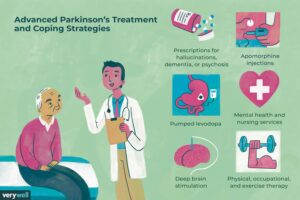
Medication Management for Parkinson’s Disease
There are various medications available that can help manage the symptoms of Parkinson’s Disease.
They work by boosting certain chemicals in the brain that are involved in movement control. It’s like giving your brain a cup of coffee and saying, “Hey, wake up and dance!”
Factors to Consider when Managing Medications
But, like with any party, there are a few things to consider. Factors such as timing, dosage, and potential side effects should be taken into account when managing Parkinson’s medications.
Keep an eye out for any unwelcome guests, like drowsiness or nausea, and consult with your healthcare provider to find the best medication plan for you.
Physical Therapy and Exercise for Symptom Management
The Role of Physical Therapy in Parkinson’s Disease
Now let’s talk about getting physical. Physical therapy plays a crucial role in managing Parkinson’s symptoms. It can help improve balance, flexibility, and overall motor function.
Think of it as a choreographed dance routine that keeps you on your toes and helps you keep your balance, both literally and metaphorically.
Recommended Exercises for Symptom Management
Time to hit the dance floor! Exercise, such as aerobic workouts and strength training, is beneficial for managing Parkinson’s symptoms. So, put on your favorite workout playlist and bust a move.
Whether it’s a brisk walk or a Zumba class, find an exercise routine that works for you and get those endorphins pumping!
The Importance of a Balanced Diet and Nutrition
Dietary Considerations for Parkinson’s Disease
What you put in your body matters. A balanced diet with proper nutrition can have a positive impact on managing Parkinson’s symptoms.
You might want to consider cutting back on processed foods and embracing natural, whole foods. Your brain will thank you for the extra fuel to keep the dance party going.
Recommended Foods and Nutrients for Symptom Management
Fuel up with foods rich in antioxidants, such as fruits and veggies. Omega-3 fatty acids found in fish, nuts, and seeds can also be beneficial.
And don’t forget the importance of staying hydrated! So, grab a glass of water and a colorful plate of goodness to keep your brain and body in top shape.
Remember, managing Parkinson’s symptoms is all about finding the right balance. So, shake off those worries and get ready to dance your way through life.
With the right strategies, support, and a little bit of humor, you can keep rocking despite Parkinson’s. Now, let’s hit the dance floor!
Assistive Devices and Adaptive Strategies for Daily Living
Common Assistive Devices for Parkinson’s Disease
Living with Parkinson’s disease can present challenges in carrying out daily activities. However, there are a variety of assistive devices available to help make things a little easier.
From specialized utensils and button hooks to mobility aids like canes or walkers, these devices are designed to enhance independence and improve the quality of life for individuals with Parkinson’s.
So, if you find yourself struggling with tasks like eating, dressing, or walking, don’t worry! There are gadgets out there that can lend a helping hand, making these activities more manageable and less frustrating.
Adaptive Strategies for Managing Daily Activities
In addition to using assistive devices, incorporating adaptive strategies into your daily routine can also make a significant difference.
These strategies involve making simple modifications to how you approach tasks, allowing you to navigate through challenges more effectively.
For instance, breaking tasks into smaller, more manageable steps can make them less overwhelming.
Planning, organizing your environment, and using visual cues can help minimize difficulties and enable you to stay on track.
Remember, finding what works best for you may take some trial and error, so don’t be afraid to experiment with different strategies until you find your groove. And don’t forget, a little creativity can go a long way in finding innovative solutions to everyday obstacles.
Cognitive and Emotional Management Techniques
Understanding Cognitive and Emotional Symptoms
Parkinson’s disease can also affect cognitive and emotional functioning.
Common symptoms include difficulties with memory, attention, and mood changes. These challenges can be frustrating and impact your overall well-being.
However, understanding that these symptoms are part of the disease can help you navigate through them more effectively.
By acknowledging and accepting these changes, you can work towards finding strategies to manage and minimize their impact on your daily life.
Techniques for Managing Cognitive and Emotional Challenges
While it may seem overwhelming, there are techniques you can implement to support cognitive and emotional health. Engaging in activities that stimulate your brain, such as puzzles or reading, can help maintain cognitive function.
Additionally, practicing stress-reducing activities like mindfulness or deep breathing exercises can assist in managing emotional well-being.
Finding support from loved ones, joining support groups, or seeking professional guidance can also give you the tools and coping mechanisms needed to navigate any challenges that arise.
Remember, you’re not alone in this journey, and there are strategies available to help you maintain your cognitive abilities and emotional stability.
Supportive Therapies and Complementary Approaches
Overview of Supportive Therapies
In addition to medical treatments, various supportive therapies can significantly impact symptom management for individuals with Parkinson’s disease. Physical therapy, occupational therapy, and speech therapy are just a few examples of these beneficial therapies.
Physical therapy can help improve mobility, balance, and strength, allowing you to maintain independence in your daily activities.
Occupational therapy focuses on enhancing skills needed for daily tasks, while speech therapy can assist with communication and swallowing difficulties often associated with Parkinson’s.
Complementary Approaches for Symptom Management
In conjunction with medical and supportive therapies, many individuals find relief from symptoms through complementary approaches. These can include practices such as acupuncture, massage therapy, and exercise programs like tai chi or yoga.
While these approaches may not replace traditional treatments, they can complement your existing management plan and provide additional support for symptom relief. As always, consult with your healthcare team before incorporating any new therapies into your routine.
Conclusion and Future Directions for Parkinson’s Disease Management
Summary of Effective Strategies
Managing Parkinson’s disease symptoms requires a multi-faceted approach, combining assistive devices, adaptive strategies, cognitive and emotional management techniques, supportive therapies, and complementary approaches.
By utilizing these strategies, individuals with Parkinson’s can improve their quality of life and maintain independence in daily activities.
Emerging Research and Future Possibilities
As research in Parkinson’s disease continues to advance, new treatment options and management strategies are on the horizon.
From innovative medications and surgical interventions to potential breakthroughs in disease-modifying therapies, the future looks promising.
With ongoing advancements, there is hope for enhanced symptom control and improved overall outcomes for individuals living with Parkinson’s disease. In the meantime, embracing the existing strategies outlined here can help you navigate the challenges and maintain a fulfilling life with Parkinson’s.
Conclusion and Future Directions for Parkinson’s Disease Management
In conclusion, addressing and managing the symptoms of Parkinson’s disease is an ongoing process that requires a multi-faceted approach.
By incorporating medication management, physical therapy and exercise, a balanced diet, assistive devices, cognitive techniques, and supportive therapies, individuals with Parkinson’s disease can experience improved symptom management and overall well-being.
It is important to remember that each person’s experience with Parkinson’s disease is unique, and what works for one individual may not work for another.
As research and advancements continue, it is essential to stay informed about new strategies and treatments that may emerge in the future.
With a comprehensive approach to managing Parkinson’s disease symptoms, individuals can enhance their quality of life and maintain a sense of control over their condition.