Strokes and Stress – What’s the Connection?
Chronic stress has long been recognized as a significant risk factor for various health conditions, including cardiovascular diseases.
Among these, strokes represent a particularly severe outcome with potentially life-altering consequences. Understanding the intricate relationship between stress and strokes is crucial for both prevention and treatment strategies.
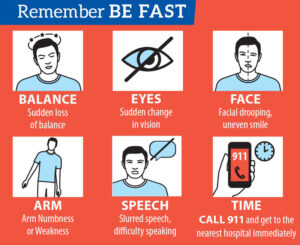
By unraveling this complex interplay, we can better equip ourselves with the knowledge needed to safeguard our health and well-being.
Introduction to Strokes and Stress
Feeling stressed out? You’re not alone. Stress has become a regular companion in our fast-paced lives.
But did you know that stress and strokes could be more connected than we realize? Let’s dive into the world of strokes and stress to uncover the link between the two.
Defining Strokes and Stress
Strokes are like the unruly houseguests of the body, disrupting the normal flow of things in the brain.
Stress, on the other hand, is like that annoying coworker who always seems to push your buttons.
Strokes are when blood flow to the brain is interrupted, causing brain cells to go on strike.
Stress, well, we all know what stress is – it’s that unwelcome visitor that messes with our peace of mind.
Overview of the Connection between Strokes and Stress
Now, let’s connect the dots. Stress, with its sneaky ways, can increase the risk of strokes. It’s like giving the green light to those mischievous strokes to come knocking on your brain’s door.
Understanding this connection is crucial in taking steps to protect our brain health and keep those strokes at bay.
Understanding the Link Between Stress and Stroke Risk
Ever wondered how stress and strokes team up to cause trouble? Let’s uncover the mystery.
Physiological Mechanisms at Play
Picture this: stress revs up your body like a race car, causing your blood pressure to soar.
This high-speed scenario can damage blood vessels and pave the way for those sneaky strokes to make their move. It’s like a high-stakes game of cat and mouse inside your body.
Epidemiological Evidence of the Connection
Research shows that stress isn’t just a pesky annoyance; it’s a serious player in the stroke game.
Studies have found a clear link between chronic stress and an increased risk of strokes. It’s like stress and strokes have formed an unholy alliance, wreaking havoc on our brain’s well-being.
Impact of Chronic Stress on Cardiovascular Health
Chronic stress isn’t just a one-time inconvenience; it’s a long-term troublemaker that can seriously mess with our heart and blood vessels.
How Stress Affects Blood Pressure and Heart Health
Stress can send our blood pressure soaring to new heights, putting our heart under immense strain. It’s like asking our heart to run a never-ending marathon without a water break.
This constant pressure can spell disaster for our cardiovascular system.
Long-Term Effects of Chronic Stress on the Body
Chronic stress isn’t just a fleeting visitor; it’s like that pesky houseguest who overstays their welcome.
Over time, it can weaken our immune system, mess with our metabolism, and increase inflammation in our bodies. It’s like a domino effect of health issues triggered by our unwelcome guest, stress.
Psychological Factors Contributing to Stroke Risk
It’s not just the physiological side of things; our emotions and behaviors also play a role in our stroke risk. Let’s explore the psychological factors at play.
The Role of Anxiety and Depression in Stroke Development
Anxiety and depression aren’t just in our heads; they can also affect our physical health.
Studies have found that these mental health issues can increase the risk of strokes. It’s like our emotions sending distress signals to our brain and body, making them more vulnerable to strokes.
Behavioral Aspects and Their Impact on Stroke Risk
Our behaviors can either be our best allies or our worst enemies when it comes to stroke risk.
Unhealthy habits like smoking, poor diet, and lack of exercise can pave the way for strokes to strike uninvited. It’s like giving those strokes a VIP pass to wreak havoc on our health.
Strategies for Managing Stress to Reduce Stroke Risk
When it comes to tackling stress to lower your risk of stroke, effective stress-reduction techniques are key. Whether it’s deep breathing exercises, yoga, or indulging in your favorite hobbies, finding what works best for you is crucial.
Implementing Mindfulness and Relaxation Practices
Mindfulness and relaxation practices are like a soothing balm for your frazzled nerves. Taking time to be present in the moment and unwind can significantly lower stress levels and promote overall well-being.
Role of Lifestyle Changes in Preventing Stress-Related Strokes
In the battle against stress-related strokes, lifestyle changes play a pivotal role. Embracing a healthy diet rich in fruits, vegetables, and whole grains, paired with regular exercise, can be a game-changer in reducing your stroke risk.
Dietary Recommendations for Stress Management and Stroke Prevention
When it comes to stress management and stroke prevention, what you eat matters. Opt for foods high in antioxidants, omega-3 fatty acids, and magnesium to support your mental and physical health.
The Importance of Regular Exercise in Reducing Stroke Risk
Exercise isn’t just about looking good; it’s about feeling good too. Regular physical activity not only helps in reducing stress but also improves circulation, lowers blood pressure, and strengthens your heart – all of which are key in preventing strokes.
Importance of Stress Management in Stroke Recovery
Stress doesn’t just play a role in stroke prevention; it’s also crucial in the recovery process. Addressing stress as part of stroke rehabilitation and prioritizing mental well-being can lead to better recovery outcomes.
Addressing Stress as Part of Stroke Rehabilitation
In the journey to recovery post-stroke, addressing stress is non-negotiable. Incorporating stress-management techniques into rehabilitation programs can aid in both physical and emotional healing.
Supporting Mental Well-being for Improved Recovery Outcomes
A positive mindset can work wonders in stroke recovery. Surrounding yourself with a supportive network, engaging in activities that bring you joy, and seeking professional help when needed are all vital in fostering mental well-being during recovery.
Conclusion: The Importance of Addressing Stress in Stroke Prevention
In the grand scheme of stroke prevention, stress management is a heavyweight contender.
By embracing stress-reduction strategies, making lifestyle changes, and prioritizing mental well-being, you’re not just safeguarding yourself against strokes but also paving the way for a healthier, happier life.
In conclusion, the link between stress and strokes underscores the importance of prioritizing mental well-being as a crucial component of overall health.
By recognizing the impact of stress on cardiovascular health and implementing effective stress management strategies, we can reduce the risk of strokes and promote a healthier, more resilient body and mind.
Through mindfulness, lifestyle changes, and seeking support when needed, we can take proactive steps towards preventing stress-related strokes and fostering a better quality of life.


