Stroke Risk
Chronic stress is a prevalent modern-day affliction that not only affects our daily well-being but also poses significant risks to our long-term health.
One such grave consequence is the increased susceptibility to stroke, a life-threatening medical emergency.
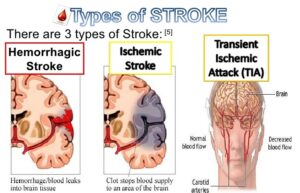
By delving into the intricate relationship between stress and stroke risk, we can uncover the mechanisms through which stress exerts its detrimental effects on the cardiovascular system.
Understanding this connection is pivotal in empowering individuals to adopt proactive measures to manage stress effectively and reduce their chances of experiencing a stroke.
Stress and Stroke Risk
Stress and stroke may seem like an odd couple, but their relationship is more intertwined than you might think. Understanding how stress impacts stroke risk is crucial for our well-being.
Defining Stress and Stroke
Stress is our body’s natural response to challenges or demands. Stroke, on the other hand, is a medical emergency where blood flow to the brain is interrupted. When stress and stroke collide, it can be a recipe for trouble.
Significance of Understanding the Link
Recognizing the connection between stress and stroke can empower us to take preventive measures. By managing stress levels, we can potentially reduce the risk of experiencing a stroke and safeguard our health in the long run.
The Link Between Chronic Stress and Stroke
Chronic stress is like a slow burn that can have serious consequences, including an increased risk of stroke. Let’s delve into the research findings and effects of long-term stress on cardiovascular health.
Research Findings on Chronic Stress and Stroke Risk
Studies suggest that prolonged exposure to chronic stress can elevate the likelihood of experiencing a stroke. This highlights the importance of addressing stress as a potential risk factor for stroke prevention.
Effects of Chronic Stress on Cardiovascular Health
Chronic stress can wreak havoc on our cardiovascular system, paving the way for conditions like high blood pressure and heart disease. Keeping our stress levels in check is crucial for maintaining a healthy heart and reducing stroke risk.
Impact of Acute Stress on Stroke Risk
While chronic stress poses its own set of dangers, acute stress can also play a role in increasing the risk of stroke. Let’s explore how our body’s response to sudden stressors can impact stroke incidence.
Acute Stress Response and Its Effects
In moments of acute stress, our body enters a fight-or-flight mode, releasing hormones that can affect our blood vessels and heart function. This physiological response, when frequent or intense, can contribute to stroke risk.
Connection Between Acute Stressful Events and Stroke Incidence
Research suggests a correlation between acute stressful events, such as traumatic experiences or extreme emotions, and an uptick in stroke occurrence. Being mindful of how we respond to sudden stressors is key to safeguarding our brain health.
Physiological Mechanisms Behind Stress-Induced Stroke
To understand how stress can lead to stroke, we need to peek under the hood of our body’s intricate systems. Let’s explore the brain-body connection and the role of inflammation in increasing stroke risk.
Understanding the Brain-Body Connection
Our brain and body communicate through a complex network of signals, and stress can disrupt this delicate balance. This interplay between the brain and body can influence various factors that contribute to stroke development.
Inflammatory Response and Stroke Risk
Chronic stress can trigger an inflammatory response in the body, leading to changes in blood vessels and clotting processes that raise the risk of stroke. By managing stress and reducing inflammation, we can potentially lower our chances of experiencing a stroke.
Behavioral Strategies to Manage Stress and Reduce Stroke Risk
Feeling stressed? Take heart – literally. Managing stress not only keeps your sanity intact but also lowers your risk of a stroke crashing your party. Here are some stress-busting techniques and habits to keep that stroke risk at bay.
Stress-Reducing Techniques and Their Benefits
Think of stress-reducing techniques as your cheat codes to navigate the stress-filled game of life. Whether it’s deep breathing, meditation, yoga, or simply dancing like nobody’s watching, these techniques can help lower your stress levels and decrease your stroke risk. So, find your Zen zone and keep the stress monster at bay.
Healthy Habits for Stress Management
In the battle against stress, your lifestyle choices can be your secret weapons. Eating a balanced diet, getting enough sleep, staying active, and laughing at life’s absurdities can all help reduce stress and protect you from the dreaded stroke.
So, swap that extra shot of espresso for a calming herbal tea, hit the sack a little earlier, and remember to chuckle at the chaos around you.
The Role of Lifestyle Factors in Mitigating Stress-Related Stroke Risk
When it comes to stress-related stroke risk, your lifestyle plays a starring role. By making smart choices in what you eat and how you move, you can help fend off the double trouble of stress and strokes.
Dietary Choices and Their Impact on Stress and Stroke Risk
Your food choices aren’t just about satisfying your taste buds; they can also influence your stress levels and stroke risk.
Opting for a diet rich in fruits, vegetables, whole grains, and lean proteins can help keep your stress in check and reduce your chances of a stroke crashing the party. So, pass on the greasy fast food and reach for that colorful salad instead.
Physical Activity and Its Role in Stress Reduction and Stroke Prevention
Who knew that breaking a sweat could break the cycle of stress and stroke risk? Physical activity isn’t just good for your waistline; it’s also a powerhouse stress-buster and stroke preventer.
Seeking Professional Help for Chronic Stress and Stroke Prevention
Sometimes stress can be a stubborn beast that requires more than just a DIY approach. When chronic stress threatens to hijack your well-being and stroke risk looms large, don’t hesitate to seek help from the pros.
Importance of Professional Guidance in Stress Management
Let’s face it – sometimes stress can be a tough nut to crack on your own. That’s where professional guidance comes in.
Whether it’s therapy, counseling, or stress management programs, seeking help from experts can provide you with the tools and support you need to tackle stress and keep strokes at bay. So, don’t be afraid to reach out for help when stress comes knocking.
Medical Interventions for Stress-Related Stroke Prevention
When stress starts playing for keeps and the threat of a stroke becomes all too real, medical interventions can be a crucial lifeline.
From medications to procedures aimed at reducing stress and stroke risk, modern medicine offers a range of options to help you stay ahead of the game.
So, if stress is taking its toll and strokes are looming large, don’t hesitate to consult with your healthcare provider for the best course of action.
As we navigate the complexities of stress and its impact on stroke risk, it becomes clear that prioritizing mental and emotional well-being is paramount in safeguarding our cardiovascular health.
By embracing stress-reducing strategies, making positive lifestyle choices, and seeking professional support when needed, we can proactively mitigate the risk of stroke.
Let us strive to cultivate a harmonious balance in our lives, recognizing that managing stress not only enhances our quality of life but also plays a key role in preserving our long-term health and well-being.


