Diagnosing a stroke promptly and accurately is crucial for initiating timely interventions that can minimize damage and improve outcomes for patients.
Understanding the signs and symptoms of a stroke, the various diagnostic tools and tests available, and the importance of swift recognition and response are essential components of effective stroke diagnosis.
How are Strokes Diagnosed?
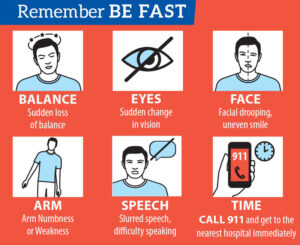
1. Understanding the Signs and Symptoms of a Stroke Recognizing Common Stroke Symptoms If your face droops, arms feel weak, or speech slurs, it’s time to think about stroke.
Distinctive Symptoms of Ischemic and Hemorrhagic Strokes Ischemic strokes starve the brain of blood, while hemorrhagic strokes involve a burst blood vessel. Both demand quick attention.
2. Diagnostic Tools and Tests Used in Stroke Diagnosis Physical Examination and Medical History Your doctor will ask questions and check your body for clues to what’s happening in your brain.
Neurological Assessment and Stroke scale tests like the NIH Stroke Scale help doctors gauge the severity of symptoms and guide treatment decisions.
Tests to Evaluate Stroke Risk Factors Blood tests, imaging studies, and heart monitoring can uncover underlying conditions that increase stroke risk.
3. Importance of Timely Recognition and Response to Stroke Symptoms Role of FAST (Face, Arms, Speech, Time) in Stroke Awareness FAST is more than just a speed; it’s a reminder to act fast when stroke symptoms appear.
Seeking Immediate Medical Attention for Suspected Stroke Don’t wait it out. Every minute counts when it comes to saving brain cells during a stroke.
4. Role of Imaging Techniques in Confirming a Stroke Diagnosis Computed Tomography (CT) Scans for Early Stroke Detection CT scans can quickly show if a stroke is happening, helping doctors make treatment decisions promptly.
Magnetic Resonance Imaging (MRI) for Detailed Brain Imaging MRI provides a detailed look at the brain, helping doctors pinpoint the type and location of a stroke.
Angiography and Ultrasound for Vascular Assessment These tests help evaluate blood flow in the brain and identify any blockages or abnormalities causing a stroke.
5. Challenges and Limitations in Diagnosing Strokes
Subtle Presentations and Mimics of Stroke Symptoms
Strokes can sometimes be tricky to diagnose due to their varied and often subtle symptoms that can mimic other conditions. It’s like trying to spot a ninja in a crowd of lookalikes.
Diagnostic Uncertainty in Transient Ischemic Attacks (TIAs)
Transient Ischemic Attacks (TIAs), often called mini-strokes, can leave doctors scratching their heads due to their brief and temporary nature. It’s like trying to catch a mischievous ghost playing hide-and-seek.
6. Collaborative Approach to Stroke Diagnosis and Treatment
Multidisciplinary Team Involvement in Stroke Care
Diagnosing and treating strokes often require a tag team of specialists including neurologists, radiologists, and rehabilitation experts.
Coordinated Efforts for Accurate Diagnosis and Treatment Planning
With strokes, teamwork makes the dream work. Coordinating efforts between healthcare professionals is crucial for accurate diagnosis and developing personalized treatment plans.
7. Emerging Technologies and Innovations in Stroke Diagnosis
Advancements in Telestroke Services for Remote Diagnosis
Telestroke services bring expertise directly to patients in remote areas, making diagnosis and treatment more accessible.
Artificial Intelligence and Machine Learning in Stroke Assessment
AI and machine learning are revolutionizing stroke assessment by analyzing vast amounts of data to aid in quicker and more accurate diagnoses.
8. Prognosis and Recovery After a Stroke Diagnosis
Rehabilitation Strategies for Stroke Survivors
After a stroke, rehabilitation strategies play a vital role in helping survivors regain lost skills and independence. It’s like training for a marathon after a stumble, with plenty of support along the way.
Long-term Monitoring and Support for Stroke Patients
Long-term monitoring and support are crucial for stroke patients to ensure ongoing recovery and manage potential complications.
Conclusion
Efficient stroke diagnosis plays a pivotal role in the management and prognosis of individuals affected by this medical emergency.
By recognizing the symptoms, utilizing appropriate diagnostic tools, and fostering a collaborative approach among healthcare professionals, the journey from suspicion to confirmation of a stroke diagnosis can be navigated effectively.
As advancements in technology continue to enhance diagnostic capabilities and treatment modalities, the future holds promise for further improving outcomes and quality of life for stroke patients.


