Strokes, often referred to as a “brain attack,” are a medical emergency that requires immediate attention.
Understanding the different types of strokes, their risk factors, symptoms, and treatment options is crucial for prevention and effective management.
By exploring the complexities of strokes and delving into prevention strategies and supportive care, individuals can empower themselves with the knowledge to protect their brain health and enhance their quality of life.
What is a Stroke?
A stroke occurs when there is a disruption in the blood supply to the brain, leading to brain cell damage.
Types of Strokes
Strokes come in different flavors like a buffet you’d rather skip.
The main types are:
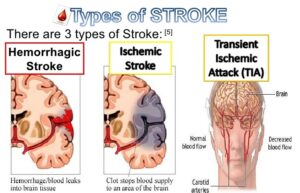
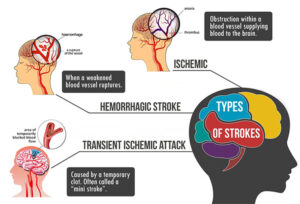
– Ischemic Stroke: Caused by a blockage in a blood vessel, cutting off blood flow to the brain.
– Hemorrhagic Stroke: Happens when a blood vessel bursts in the brain, causing bleeding.
– Transient Ischemic Attack (TIA): Often called a “mini-stroke,” it’s like a warning sign that shouldn’t be ignored.
Types of Strokes
Ischemic Stroke
An ischemic stroke is like a traffic jam in your brain. It happens when a clot blocks a blood vessel, cutting off oxygen and nutrients.
Hemorrhagic Stroke
A hemorrhagic stroke is like a leak in your brain’s plumbing. It occurs when a blood vessel in the brain ruptures, spilling blood and causing damage.
Transient Ischemic Attack (TIA)
Think of a TIA as a sneak peek of what could happen if you don’t take care of yourself.
It’s like a temporary blockage in a blood vessel, giving you a heads-up to make some changes before a full-blown stroke hits.
Risk Factors for Strokes
Modifiable Risk Factors
Some stroke risk factors you can control are high blood pressure, unhealthy diet, lack of exercise, smoking, and excessive alcohol consumption.
Non-Modifiable Risk Factors
Then there are the risk factors you can’t change, like age, family history, gender, and previous stroke or TIA.
Symptoms and Warning Signs
Common Symptoms of a Stroke
When a stroke hits, your body sends out distress signals like sudden numbness, confusion, trouble speaking or understanding, vision problems, dizziness, and severe headaches.
Recognizing the Signs of a Stroke
Remember the acronym FAST: Face drooping, Arm weakness, Speech difficulty, Time to call emergency services. If you spot these signs, don’t brush them off – act fast!
Diagnosis and Treatment Options
Diagnostic Tests for Strokes
When it comes to diagnosing strokes, doctors have a few tricks up their sleeves. They might order a CT scan or an MRI to get a closer look at what’s going on in your brain.
They could also use an ultrasound to check the blood flow in your neck.
Acute Treatment for Strokes
When it comes to treating strokes, time is of the essence. Doctors might use clot-busting drugs or even procedures like thrombectomies to get things flowing smoothly again.
Think of them as the firefighters of the medical world, rushing in to save the day and prevent further damage.
Rehabilitation and Long-term Care
Physical therapy, occupational therapy, and speech therapy can help you get back on your feet.
Long-term care might involve ongoing therapy, medications, and lifestyle changes to keep you feeling your best.
Recovery and Rehabilitation After a Stroke
Rehabilitation Therapies
Rehabilitation after a stroke is no walk in the park, but with the right therapies, you can make incredible strides.
Physical therapy can help you regain strength and coordination, while occupational therapy focuses on daily tasks like dressing and cooking.
Speech therapy can also assist with communication challenges.
Support Services for Stroke Survivors
Navigating life after a stroke can be tough, but you don’t have to go it alone.
Support services for stroke survivors, such as support groups, counseling, and community programs, are like a warm hug on a tough day.
They can provide emotional support, practical advice, and a sense of camaraderie with others who understand what you’re going through.
Prevention Strategies
Lifestyle Changes to Reduce Stroke Risk
Want to give strokes the cold shoulder?
Making smart lifestyle choices like eating a healthy diet, exercising regularly, managing stress, and kicking bad habits like smoking can all help reduce your risk.
Medical Interventions for Stroke Prevention
Sometimes, lifestyle changes aren’t quite enough to keep strokes at bay.
That’s where medical interventions like blood thinners, cholesterol-lowering medications, and procedures to clear blocked arteries come into play.
Living with the Effects of a Stroke
Managing Physical Disabilities
Dealing with physical disabilities after a stroke can be a tough pill to swallow, but there are ways to adapt and thrive.
Assistive devices, home modifications, and adaptive strategies can help you navigate daily challenges with more ease.
Coping with Emotional Challenges
It’s not just your body that takes a hit after a stroke – your emotions can also go on a rollercoaster ride.
Coping with feelings of frustration, sadness, or anxiety is crucial for your overall well-being.
Whether it’s through therapy, mindfulness practices, or simply talking to loved ones, finding healthy ways to process your emotions is like giving your heart a soothing balm.
Conclusion
In conclusion, strokes are a serious medical condition that can have life-altering consequences.
By being informed about the risk factors, symptoms, and treatment options, individuals can take proactive steps to reduce their chances of experiencing a stroke and improve their outcomes in the event of one.
It is essential to prioritize brain health, seek regular medical check-ups, and make healthy lifestyle choices to safeguard against the devastating effects of strokes.
Remember, early recognition and intervention are key to minimizing the impact of strokes and maximizing recovery.
With the right knowledge and support, individuals can navigate the challenges of strokes and strive for a better quality of life post-stroke.


