Stress
Stress is a common experience that affects individuals in various aspects of their lives, from work-related pressures to personal challenges.
Understanding the nature of stress, its causes, and its impacts on physical and mental well-being is essential for effective management.
By gaining insight into stress and adopting healthy strategies to mitigate its effects, individuals can work towards creating a more balanced and stress-free lifestyle.
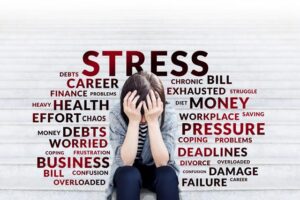
Understanding Stress
Stress is like that unexpected party guest who is uninvited and overstays their welcome.
It’s your body’s way of responding to any demand or threat, whether real or perceived.
This can be anything from a looming work deadline to a close encounter with a spider.
The Science of Stress: How the Body Reacts
When stress comes knocking, your body kickstarts the “fight or flight” response, releasing hormones like adrenaline and cortisol.
Your heart races, breathing quickens, and muscles tense up, ready to either battle the stressor or high-tail it out of there.
It’s like your body’s own action movie, complete with dramatic music.
Common Triggers of Stress
From rush-hour traffic to endless emails, everyday life is rife with stress triggers.
Add in financial woes, relationship hiccups, or health concerns, and you’ve got a stress cocktail that’s hard to swallow.
Work-related Stressors
Ah, the joy of office politics, looming deadlines, and demanding bosses.
Work-related stress can turn your dream job into a stress nightmare faster than you can say “coffee break.”
Personal Life Stressors
Family drama, juggling responsibilities, or dealing with unexpected curveballs can send stress levels soaring.
It’s like trying to juggle flaming torches while riding a unicycle—challenging, to say the least.
Effects of Stress on the Body
Stress isn’t just a mental game—it can take a toll on your physical health too.
From headaches and muscle tension to a weakened immune system, chronic stress can turn your body into a not-so-happy camper.
Mental Health Impacts
Stress isn’t exactly a mood booster either.
It can lead to anxiety, depression, and sleepless nights—turning your mental state into a chaotic rollercoaster ride.
Coping Mechanisms for Stress
When stress starts knocking, it’s time to bust out the big guns.
Exercise, meditation, and deep breathing can be your stress-busting superheroes, helping you tackle stress like a pro.
Social Support and Stress Relief
No one should have to face stress alone. Lean on friends, family, or even fluffy pets for support.
A good laugh, a listening ear, or a warm hug can work wonders in soothing the stress beast.
Long-term Impacts of Chronic Stress
We all know stress is no fun, but chronic stress can wreak havoc on our bodies and minds in the long run.
Chronic Stress and Disease
Chronic stress isn’t just a mental burden; it can also manifest physically.
Heart problems, weakened immune systems, and digestive issues are just a few unwelcome guests that chronic stress can invite into our lives.
Psychological Effects of Prolonged Stress
Our minds aren’t spared either. Prolonged stress can lead to anxiety, depression, and even memory issues.
It’s like a not-so-great gift that keeps on giving if left unchecked.
Stress Management Techniques
Now that we know the not-so-great consequences of stress, let’s explore some techniques to show stress who’s boss.
Relaxation Techniques
From deep breathing to taking a relaxing bath, finding what helps you unwind is crucial for managing stress.
Trust us; your mind and body will thank you for it.
Mindfulness and Meditation Practices
Mindfulness and meditation are like superheroes swooping in to save the day.
They help you stay present, calm your racing thoughts, and give stress a run for its money.
Seeking Professional Help for Stress
Sometimes, stress can be a tough cookie to crack on your own.
That’s where seeking professional help comes into play.
Therapy and Counseling Options
Therapists and counselors are like stress-fighting sidekicks.
They offer valuable tools and insights to help you better understand and manage your stress.
When to Consider Medication for Stress Management
In some cases, medication can be a helpful ally in the battle against stress.
It’s essential to consult with a healthcare professional to determine if medication is the right path for you.
Creating a Stress-Free Lifestyle
Wouldn’t it be nice to bid stress farewell?
Here are some tips to pave the way for a more stress-free existence.
Healthy Habits for Stress Reduction
Eating well, staying active, and getting enough sleep are the building blocks of a stress-free lifestyle.
Treat your body well, and it will return the favor.
Balancing Work and Life for Stress Management
Work hard, play hard… and relax harder. Finding the right balance between work and personal time is key to keeping stress at bay.
Remember, you’re not a superhero; even if they take breaks.
In conclusion, managing stress is a crucial aspect of maintaining overall wellness.
By recognizing the signs of stress, implementing effective coping strategies, and seeking support when necessary, individuals can proactively navigate the challenges that come their way.
Remember, prioritizing self-care, practicing mindfulness, and fostering healthy habits are key steps toward creating a more resilient and stress-free lifestyle.
Embracing a holistic approach to stress management empowers individuals to cultivate inner peace and enhance their quality of life.


