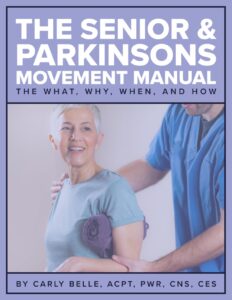
Parkinson’s
Navigating daily life with Parkinson’s disease presents unique challenges that require a tailored approach to care and support.
1. Understanding Parkinson’s Disease
Overview of Parkinson’s Disease
Parkinson’s disease is a progressive nervous system disorder that affects movement. It is characterized by tremors, stiffness, and difficulty with balance and coordination.
Common Symptoms and Challenges
Some common symptoms of Parkinson’s disease include tremors, bradykinesia (slowness of movement), rigidity, and postural instability. People with Parkinson’s may also experience non-motor symptoms like depression, sleep disturbances, and cognitive changes.
Progression of the Disease
Parkinson’s disease progresses gradually, with symptoms worsening over time. The disease can vary widely in how it affects individuals, but early diagnosis and proper management can help improve quality of life.
2. Creating a Safe and Accessible Home Environment
Adapting Home Layout for Mobility
Making your home more accessible can help manage Parkinson’s symptoms. Consider removing tripping hazards, installing grab bars, and ensuring clear pathways for easier movement.
Importance of Fall Prevention Measures
Preventing falls is crucial for individuals with Parkinson’s disease, as they are at a higher risk due to balance issues. Use non-slip mats, proper lighting, and handrails to reduce fall risks at home.
Assistive Devices and Home Modifications
Utilizing assistive devices like walking aids, raised toilet seats, and shower chairs can improve independence and safety. Modifying your home with ramps, handrails, and bathroom grab bars can make daily tasks easier.
3. Daily Living Strategies for Managing Parkinson’s Symptoms
Tips for Dressing and Grooming
Choose clothing with easy fastenings, like Velcro or magnetic closures, to make dressing simpler. Consider using adaptive grooming tools like electric razors or hairstyling aids for easier grooming routines.
Effective Time and Task Management
Breaking tasks into smaller steps and using timers or alarms can help manage daily activities. Prioritizing tasks and keeping a daily routine can improve time management and reduce stress.
Sleep Hygiene and Rest Techniques
Maintaining good sleep hygiene, such as a consistent sleep schedule and creating a relaxing bedtime routine, can improve sleep quality for individuals with Parkinson’s. Techniques like deep breathing or mindfulness can also help promote relaxation.
4. Importance of Exercise and Physical Activity
Benefits of Regular Exercise for Parkinson’s Patients
Exercise plays a vital role in managing Parkinson’s symptoms by improving strength, flexibility, and balance. It can also help reduce stiffness and enhance overall well-being.
Types of Exercise to Improve Mobility and Balance
Incorporate activities like walking, stretching, yoga, tai chi, or cycling to enhance mobility and balance. Exercise programs tailored to Parkinson’s patients, such as boxing or dancing, can also be beneficial.
Incorporating Physical Therapy into Daily Routine
Physical therapy can help individuals with Parkinson’s improve movement, posture, and gait. Regular physical therapy sessions can provide personalized exercises and techniques to address specific symptoms and challenges.
5. Nutrition and Meal Planning for Parkinson’s Patients
Dietary Recommendations for Managing Symptoms
Living with Parkinson’s can throw a few curveballs into your meal routine. Aim for a balanced diet rich in fruits, vegetables, whole grains, and lean proteins to help manage symptoms. Consider consulting a nutritionist for personalized advice.
Meal Planning Strategies to Enhance Nutrition
Planning meals can make a world of difference. Prepping easy-to-eat foods, like chopped fruits and veggies, can help on days when dexterity is a challenge. Stay hydrated and be mindful of medication timings, as certain foods can interfere with absorption.
Hydration and Medication Timing Guidelines
Sip, sip, hooray! Staying hydrated is key, but be mindful of when you drink fluids around medication times. Some meds work better on an empty stomach, so timing is everything. Remember, a well-hydrated body is a happy body.
6. Medication Management and Monitoring
Understanding Parkinson’s Medications
Pop quiz: Do you know your meds inside and out? Understanding what each medication does and its potential side effects is crucial. Keep a list handy for reference, and don’t hesitate to ask your healthcare provider any questions.
Importance of Adherence to Medication Schedule
Consistency is key! Sticking to your medication schedule as prescribed can help manage symptoms effectively. Set alarms or use pill organizers to stay on track. Missing doses can throw a wrench in your symptom management plan.
Monitoring and Reporting Medication Side Effects
Keep an eye out for any unexpected side effects and report them to your doctor promptly. It’s all about finding the right balance of symptom control without unwanted effects. Your healthcare provider can adjust your medication regimen if needed.
7. Emotional Support and Mental Health Wellness
Coping with Emotional Challenges of Parkinson’s
Having a rollercoaster of emotions? It’s totally normal. Acknowledge your feelings and don’t be afraid to seek support from loved ones or a mental health professional. Remember, it’s okay not to be okay sometimes.
Importance of Seeking Counseling and Support Groups
You’re not in this alone! Joining support groups or talking to a therapist can provide a safe space to share experiences and gain valuable insights. Connecting with others who understand what you’re going through can be a game-changer.
Managing Stress and Anxiety Through Mindfulness Techniques
Stress less, live more! Mindfulness techniques like deep breathing, meditation, or yoga can help ease stress and anxiety. Take time for self-care activities that bring you peace and relaxation. Remember, you’re the master of your mind.
8. Engaging in Social Activities and Staying Connected
Benefits of Social Interaction for Parkinson’s Patients
Social butterflies, rejoice! Staying active socially can boost your mood and overall well-being. Whether it’s joining a dance class or catching up with friends over coffee, social interactions can be a mood lifter.
Finding Community Resources and Support Networks
Explore what’s out there! Local community centers, Parkinson’s organizations, or online forums can be treasure troves of resources and support. Don’t hesitate to reach out and connect with others facing similar challenges.
Tips for Maintaining Social Connections and Relationships
Keep those connections strong! Reach out to friends and family, schedule regular outings or virtual hangouts, and participate in activities you enjoy. Parkinson’s may be a part of your life, but it doesn’t define your relationships. Stay connected, stay supported.
Incorporating these home care tips into daily routines can make a significant difference in the lives of those with Parkinson’s disease.
By fostering a supportive environment, embracing regular exercise, maintaining a balanced diet, and prioritizing mental well-being, individuals can navigate the challenges of Parkinson’s with greater resilience and comfort.
Remember, each journey with Parkinson’s is unique, but with the right tools and strategies, it is possible to continue living life to the fullest extent possible.